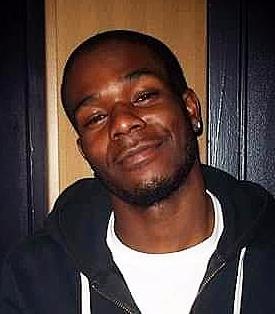
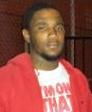
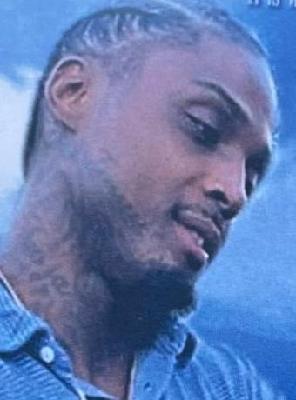
Saiheed O’Bryant, a 35-year-old Black man from Camden, New Jersey, spent his last evening in the Crestbury apartment complex on July 12, 2017, in a community already shaken by gunfire earlier that same month. The low-rise buildings and courtyards of Crestbury had recently become a symbol of Camden’s fragile progress and sudden backslide, as residents tried to go about their lives amid a spate of shootings that had pierced the sense of uneasy calm.
Late that night, just before 11 p.m., a ShotSpotter device registered the sound of gunfire near Hunter Drive, summoning Camden County Police to the complex. Officers moved through the development and surrounding streets, following the technology’s alert and reports of someone down, until they found O’Bryant near 10th Street and Lansdowne Avenue, away from the first detection point, suffering from multiple gunshot wounds.
He was rushed to Cooper University Hospital, but the injuries were too severe; within minutes, he was pronounced dead at 11:16 p.m., another life cut short in a city where the crack of gunfire was still far too familiar.
In the days that followed, grief rippled outward from the hospital and crime scene to churches, living rooms, and digital memorials. His obituary announced that he had “passed on 7/12” and invited mourners to viewings at Boyd Funeral Home on Mount Ephraim Avenue and a service at Mt. Olivet on Chelton Avenue, turning familiar Camden streets into a path of farewell. Online memorial pages describe a man remembered for being friendly and funny, deeply devoted to his children, and “very family oriented,” with relatives and friends lighting virtual candles and leaving messages of love years after his death. At a candlelight vigil in Camden that July, held amid a surge of killings that month, his name was one of those spoken aloud as residents gathered under the night sky to search for hope in the flicker of wax and wick, refusing to let the victims become just numbers in a crime tally.
For investigators, the scene on Hunter Drive and the stretch of roadway where O’Bryant fell became the starting point of a homicide case that has stubbornly resisted resolution. Detectives from the Camden County Prosecutor’s Office and the city police department canvassed the area, collected evidence, and issued public appeals for information, listing phone numbers and urging anyone who had seen or heard anything to come forward. Yet no suspect has ever been publicly identified, and there is no record of an arrest in connection with the killing; years later, case summaries still describe the homicide as unsolved and community discussion boards lament that “no arrests” have been made despite the fast ShotSpotter response. His story remains frozen at that moment between the sound of gunfire and the arrival of police, an open wound for family, friends, and a neighborhood that has had to learn to mourn without the closure of justice.