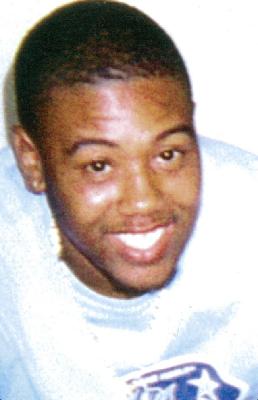
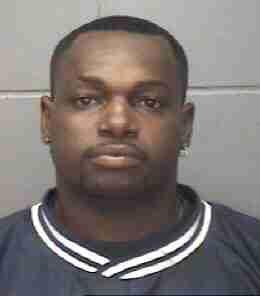
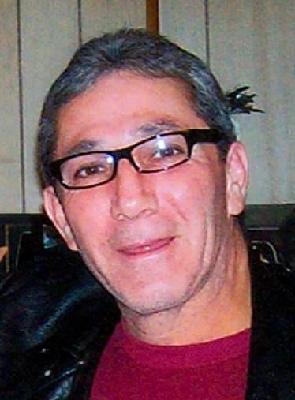
In the quiet early morning hours of August 2, 2009, the life of 26-year-old Drake Muncie was tragically cut short in what would become a nearly decade-long mystery for authorities in Elkhart, Indiana. Muncie, a male, was at his home with his wife and young son when he was fatally shot. The incident began with a knock at the door, leading to a confrontation outside that ended in gunfire.
For years, the case grew cold, leaving a void of unanswered questions for his grieving family and the community.
The investigation into Drake Muncie's death saw a significant breakthrough in May of 2018. After years of painstaking work, investigators made an arrest, breathing new life into the cold case. The suspect was identified as Michael Smith, who was apprehended in Tennessee and extradited back to Indiana to face charges for the murder of Drake Muncie. This long-awaited arrest was a result of DNA evidence that had been collected from the scene of the crime years prior. The scientific evidence provided a crucial link to Smith, finally giving a name to the person investigators believed was responsible for the senseless act of violence that had taken a husband and father from his family.
Following his arrest, Michael Smith was scheduled to stand trial in September of 2018. This development offered a glimmer of hope for justice for Drake Muncie and his loved ones, who had endured nearly a decade of uncertainty. The progression of the case to trial underscored the relentless efforts of law enforcement and the pivotal role that forensic science can play in solving even the most challenging cold cases.