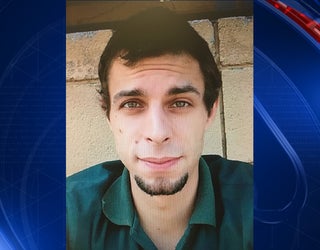
On a summer afternoon in Detroit, the bustling activity of a BP gas station on Grand River Avenue was shattered by sudden violence. On June 16, 2015, DeAngelo Turner, a 25-year-old male, was fatally shot in broad daylight. The brazen attack occurred amidst numerous bystanders, including children, leaving a scene of chaos and terror. Surveillance footage from the gas station would later provide a chilling glimpse into the moments leading up to the tragedy, capturing a man purposefully striding
into the station with the clear intent to kill.
The man identified from the security recordings was 35-year-old Timothy Wright. Detroit Police Homicide Detective Gary Przybyla described Wright's actions as a hunt, stating that his primary objective was to enter the gas station and end DeAngelo Turner's life. The motive behind this deliberate and public execution remained elusive, but the nature of the act strongly suggested a premeditated plan. In the immediate aftermath, Wright vanished, sparking an intensive manhunt. Law enforcement officials cautioned the public that he was armed and extremely dangerous. Turner's grieving family, including his mother Valerie Wilks, made emotional public pleas for any information that could lead to the capture of the man who had taken her son's life, a man who was now a fugitive from justice.
For months, Timothy Wright remained at large, his face appearing on news broadcasts and wanted posters. The relentless efforts of the Detroit Police Department, in conjunction with Crime Stoppers who offered a cash reward, kept the pressure on. Though the exact date of his capture is not readily available in public records, it is known that Wright was eventually apprehended, bringing an end to his time on the run.
Following his arrest, Timothy Wright was brought to trial to face justice for the death of DeAngelo Turner. The evidence against him, including the damning surveillance footage, painted a clear picture of the events of that tragic day. Wright was ultimately convicted of first-degree premeditated murder, a charge that reflected the cold and calculated nature of his actions. In addition to the murder conviction, he was also found guilty of being a felon in possession of a firearm and possessing a firearm during the commission of a felony. The court handed down a sentence of life in prison without the possibility of parole, ensuring that he would be held accountable for the life he had so violently taken. From behind bars, Wright has continued to maintain his innocence, filing appeals and petitions, including a habeas corpus plea in 2021, in an attempt to challenge the verdict.