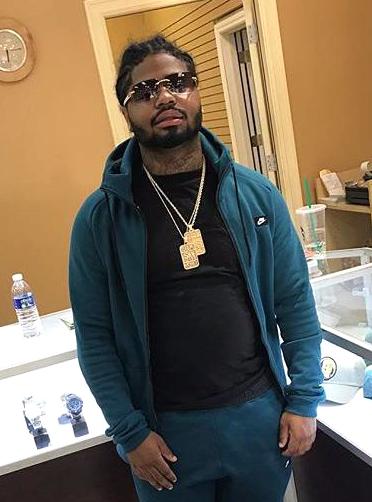
In the early hours of September 9, 2018, the life of 20-year-old DeShawn Gadson, a Black male from Detroit, was tragically cut short in a burst of violence. Gadson, along with his friends Rashawn Harrington, 25, and Trevaughn Anthony, 24, were inside a White Castle restaurant on Detroit's west side, located on West Warren Avenue near Livernois. Shortly after midnight, at approximately 12:25 a.m., two men wearing masks and dark clothing approached the building and opened fire into the restaurant
from the outside before fleeing the scene on foot. The hail of bullets shattered the restaurant's windows and struck the three young men inside. When first responders arrived, all three, including Gadson, were pronounced dead at the scene from multiple gunshot wounds.
The investigation that followed the triple homicide led Detroit police to identify suspects. Though four people were initially taken into custody, the focus narrowed to William Wilbourn-Little, a 29-year-old from Detroit. Another man, Farod Anderson, had charges against him dismissed. Wilbourn-Little was charged with three counts of first-degree murder, being a felon in possession of a firearm, and felony firearm. The motive for the shooting appeared to stem from a pre-existing conflict between Wilbourn-Little and DeShawn Gadson. Gadson's girlfriend, Mika Pittman, who was waiting in a car outside the restaurant at the time of the shooting, testified that she witnessed the event and confirmed that Gadson and Wilbourn-Little had an ongoing dispute.
The case against William Wilbourn-Little proceeded to trial, where security camera footage and witness testimony painted a grim picture of the night's events. In May 2019, a jury found Wilbourn-Little guilty on all charges, including three counts of first-degree murder. During the sentencing, Gadson's mother, Tonya Gadson, gave an emotional statement in court, speaking of the pain of losing her son and the impact on Gadson's young son, who was not yet two years old at the time of his father's death. William Wilbourn-Little maintained his innocence but was sentenced to life in prison without the possibility of parole, bringing a measure of legal closure to the families of the victims.