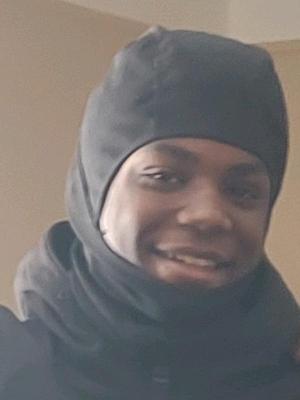
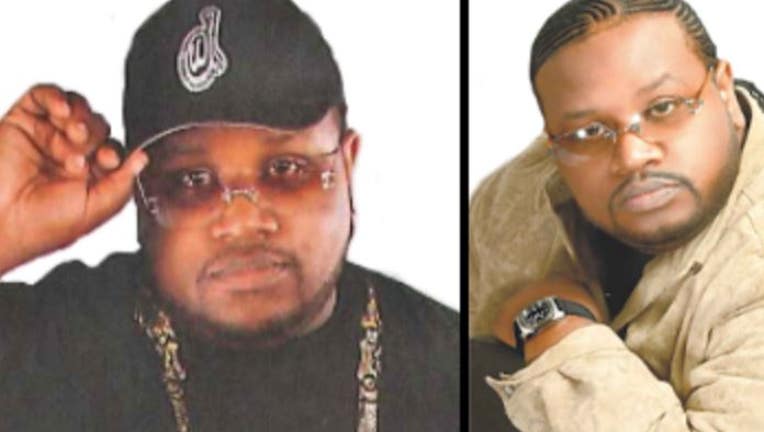
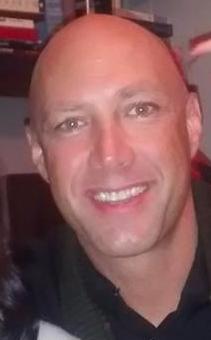
Robert Charles Howell, a 47-year-old man from Sterling Heights, Michigan, was someone whose life revolved around the steady rhythm of neighborhood markets and the people who passed through them. Born on December 7, 1974, in Mount Clemens, he grew up to become a familiar face behind the counter, the kind of clerk regulars would come to recognize and greet by name.
As a young man, Robert started out at Andy’s Market in Mount Clemens, learning the pace of customers on the go and discovering that he genuinely liked the environment. Over the years he committed himself to this line of work, often working long hours, seven days a week, at a series of small party stores in the Detroit area. He spent time at places like Art’s Party Store and Oakland Market, and eventually he became a clerk at Brightmoor Liquor on Lyndon Street in Detroit, a busy corner store known locally as a constant presence in the neighborhood. His off-hours were modest and predictable: he liked playing the Michigan Lottery and relaxing with professional wrestling on television, simple routines that gave him a sense of enjoyment away from the fluorescent lights and glass-front coolers of the stores where he worked.
In early July 2022, that routine was broken in the most violent way. Public gun-violence records show that on July 6, 2022, Robert was shot in Detroit and listed among those “lost to gun violence” in the city on that date. A separate national incident database records a fatal shooting that same day at Bentler Street and West Outer Drive in Detroit, documenting a single person killed in the attack, a brief, clinical entry that matches the date and location of the violence that claimed his life. Two days later, on July 8, 2022, he died, with his obituary noting his passing but not dwelling on the circumstances, focusing instead on his family, his work, and the routines that had defined his days.
Robert’s death left a small circle of loved ones grieving a man who had spent most of his life working quietly in front of cash registers and lottery machines. His obituary speaks of his mother, siblings, and nephews, and of a family that had already known loss before his death. Online memorials portray him not as a headline but as one among thousands of ordinary people whose lives ended in gunfire, remembered with candles lit in his name and brief messages from those who miss him.
Despite his inclusion in national gun violence and incident tracking databases, there is no publicly available detailed account of what led up to the shooting, no narrative of an argument, a robbery, or a sudden eruption of violence in the store or on the street. The sources that document his death do not identify a suspect, do not describe any arrest, and do not mention charges, trials, or convictions connected to the case. In the public record that can be seen today, Robert’s killing appears only as a brief entry in gun violence databases and as a line in his obituary marking that he is gone, leaving the circumstances of his final moments largely unspoken and his family and community to carry the unanswered questions.