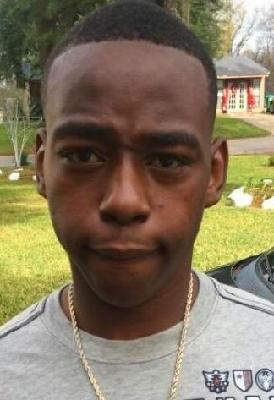
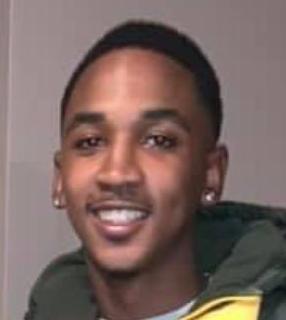
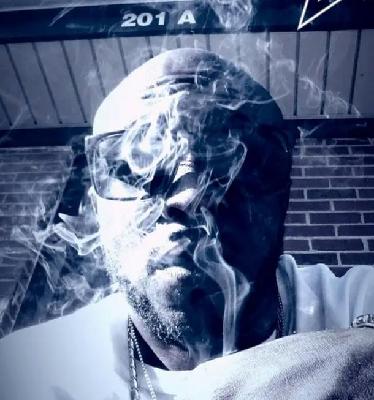
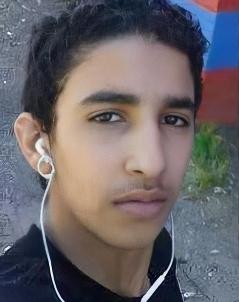
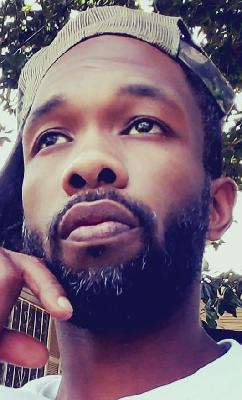
James “J Skillz” Ricks, a male hip-hop artist and producer from Mississippi, spent years carving out a name for himself in the Southern underground scene. He came up as a self-taught rapper and beatmaker from Carthage, eventually founding his own independent label, A.N.B.O.S. Music & Entertainment, based in Jackson. Through mixtapes, local singles, and collaborations with other Mississippi artists, he turned his passion into a livelihood, running recording studios and pushing his sound
across the region, from Mississippi to neighboring states.
By early 2014, Ricks’s life and work were tightly bound to the studio environment. The house on North Canal Street in Canton doubled as a makeshift rap studio where artists came and went, neighbors noticing a steady flow of visitors at all hours as music projects took shape inside. Police later described the home as a place used for recording, a creative hub that also brought together young men, money, equipment, and tempers in close quarters.
On the night of January 21, 2014, that creative space turned into a crime scene. Sometime after 8:45 p.m., Canton police were called to the Canal Street home, where they discovered Ricks lying face down on the floor of a rear bedroom with a single gunshot wound to his torso. Officers and emergency responders tried to revive him, but the injury was too severe; he died as a result of the gunshot. Investigators quickly learned that the shooting had not been random. According to Canton police and later court statements, the confrontation that ended his life began as an argument about a computer inside the house.
Attention turned almost immediately to a teenager who had been there that night. Police identified Fredrick Tyrone Smith Jr., a Madison County youth who knew Ricks, as the suspect in the shooting. According to police accounts reported at the time, the disagreement between Ricks and Smith over the computer escalated, and Smith pulled a gun and shot Ricks in the stomach before fleeing. Later that Tuesday night, officers located and arrested Smith on Frost Street. He was booked into custody and held on a $1 million bond while investigators built the murder case against him.
The case moved from street to courtroom over the following year. In April 2015, at age 18, Fredrick Tyrone Smith Jr. stood before a Madison County judge and entered a guilty plea to second-degree murder in connection with the killing of James Ricks. Prosecutors, led by District Attorney Michael Guest, announced that Smith accepted a sentence of 40 years in prison, a punishment that effectively ended any chance of a normal young adulthood for the shooter and formalized the state’s judgment that Ricks’s death was a criminal act born out of a senseless dispute. With the plea, there was no lengthy trial; the narrative pieced together by police—that an argument over a computer in a home studio ended with a single fatal shot—became the official account recorded in court.
In the years after the shooting, the memory of James “J Skillz” Ricks has persisted in the communities he touched. Online memorials list him among those lost to gun violence on January 21, 2014, in Canton, Mississippi, with candles lit in his name and friends and supporters invited to share photos and memories. His artist biographies, written before his death, now read like a frozen snapshot of a career still in motion—a Carthage-born producer and rapper who started freestyling as a teenager, built a label he called “A New Breed of South,” moved thousands of underground mixtapes, and kept pushing his sound into rotation on local radio. The shooting on Canal Street ended his life in a moment of sudden violence, but it did not erase the years he spent building music, community, and identity around the name J Skillz, nor the continuing reminder his case offers of how quickly a familiar argument can turn irrevocably lethal when a gun is present.