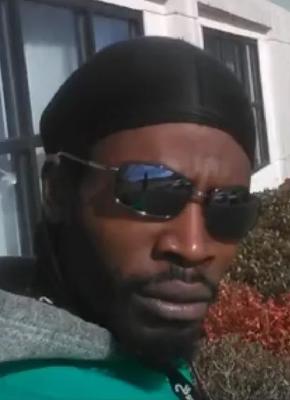
On a quiet Wednesday morning in January 2016, Troy E. Weaver, a 51-year-old Black man from Aberdeen, Mississippi, went about what seemed like an ordinary day in the small apartment he called home on West Commerce Street. He had just spent time with one of his daughters and grandchildren, taking his granddaughter to get breakfast and helping make sure his grandson had a treat and minutes on his phone, promising them he would see them later.
That casual goodbye, remembered with painful clarity by his daughter Sierra, turned out to be the last time they spoke. A little while later, as she drove past her father’s apartment on an errand, she saw police cars and an ambulance clustered outside and instinctively stopped, hoping it was all a misunderstanding.
Around 10:30 that morning, witnesses told local reporters that a man later identified by police as Charles Thompson walked into Troy Weaver’s apartment on West Commerce Street and opened fire, shooting the two men inside. Neighbors watched as emergency responders worked on Troy in front of the small brick building, but Sierra could tell from the way the ambulance crew eventually stopped their efforts that her father was no longer responding. The day’s routine noises of traffic and conversation gave way to stunned silence and crying family members as word spread that he was gone.
For years, Troy had lived quietly in that same unit, known to the owner of the property as “apartment number 6.” The landlord, Buzz Cullum, described him publicly as a model tenant and a good man who never caused trouble, someone he’d spoken to just the day before about ordinary things with no hint of what was coming. The suddenness of the violence left him, like Troy’s family, shaken and grief-stricken, struggling to reconcile the calm routines of the previous day with the crime scene now taped off by police. Family members and friends gathered near the complex, some in shock, some angry, all of them talking about the man they knew as a father, husband, brother, and friend rather than as a crime victim.
Aberdeen Police Chief Henry Randle later confirmed that the suspected gunman, identified fully as Charles Courtney Thompson, had already been taken into custody by the time reporters were speaking with the family and neighbors. According to the chief, Thompson was being held on charges of murder and aggravated assault in connection with the shooting inside the West Commerce Street apartment. Authorities said two men had been shot, with Troy fatally wounded and another man also struck, though early public reports did not go into detail about the second victim’s injuries or condition. What did emerge clearly was that the attack took place in broad daylight, inside Troy’s own home, and that investigators believed they had their suspect behind bars almost immediately.
In the days that followed, the focus for Troy’s loved ones shifted from the chaos of the crime scene to the rituals of grief. Obituaries and funeral notices recorded that he died at home in Aberdeen on January 13, 2016, and that services would be held at Johnson Chapel Holiness Church, with burial at Odd Fellows Rest Cemetery in the same town. The funeral home noted that he left behind his wife, Priscilla, several sons and daughters, siblings, and grandchildren, sketching a portrait of a man whose life was rooted deeply in family and community even though the public stories about him were now dominated by the way he died.
Publicly available reports from that period document Thompson’s arrest, the charges of murder and aggravated assault, and the community’s hope that Troy’s killer would be fully brought to justice. They do not, however, clearly trace what happened after those initial court appearances—whether the case went to trial, whether a plea was entered, or what sentence, if any, might have followed. What remains firmly on the record is the loss itself: a father and grandfather shot inside the apartment where he had quietly lived for years, a family left to replay their last morning with him, and a small Mississippi town forced to confront the reality that such violence could unfold in the middle of an otherwise ordinary day.