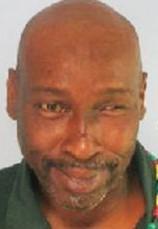
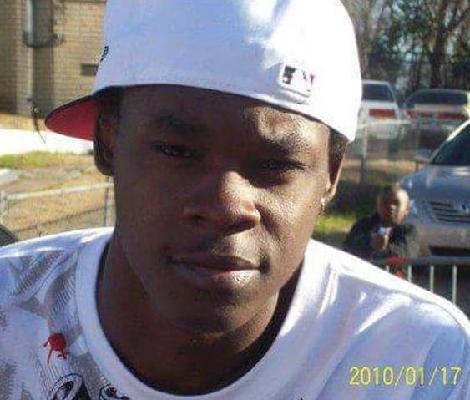
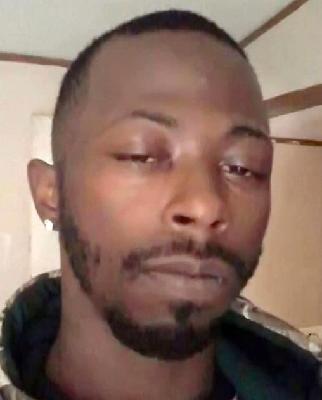
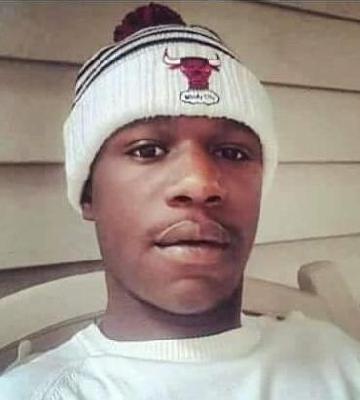
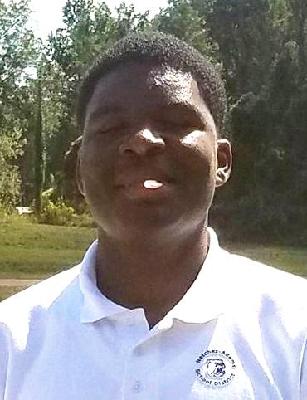
Eric Dewayne Hall, a 39-year-old Black man from Natchez, Mississippi, spent his last days in the same community where he had been rooted for years, a river city perched on the bluffs above the Mississippi. Late in April 2016, he was taken to Merit Health Natchez, where he died on Saturday, April 23, 2016, his death later recorded in local records and remembered in brief notices that gave only a glimpse of the violence that claimed him.
In the week that followed, the focus in print was on honoring his life rather than detailing the circumstances of his death. A short obituary in the Natchez Democrat announced services for Hall at United Baptist Church, with burial to follow in the church cemetery in the Morgantown community of Adams County. The notice listed the times for visitation at the funeral home and at the church, marking out the familiar rhythms of a Southern homegoing service: a Sunday afternoon viewing, a Monday morning gathering, a procession from sanctuary to graveside. In those quiet logistical lines—service times, locations, the name of the church—his story shifted from an emergency-room loss in a city hospital to a communal farewell on the red-clay roads just outside town.
Online, his name was added to the National Gun Violence Memorial, one among thousands of Americans listed there as “lost to gun violence” on April 24, 2016, in Natchez. On that page, visitors can light virtual candles and add memories, a digital version of the votive lights and murmured condolences that would have surrounded his family at United Baptist Church. Over the years, dozens of candles have been lit for him there, each one a small sign that his absence is still felt—that the date of his death is not just an entry in a funeral program but a dividing line in the lives of the people who knew him.
The violence that ended Hall's life was treated by authorities as a homicide. His memorial entry links to local news coverage, including a story titled “One person arrested in murder of Natchez man,” a headline that makes clear that investigators quickly focused on at least one suspect and took someone into custody in connection with his killing. Yet the full text of those early reports has largely slipped behind broken links and technical barriers, leaving only the bare acknowledgment that an arrest was made. The surviving public record does not clearly preserve the name of the person arrested, the precise charges first filed in the days after the shooting, or the step-by-step progress of the case through the courts, turning what must once have been front-page news into a few surviving fragments scattered across the internet.
Years later, state corrections records from Mississippi show that on February 27, 2019, in Adams County—the same county where Natchez sits—a local man named Trodarrius Carter was sentenced to twenty years in prison for manslaughter, a conviction recorded as carrying a two-decade term and tied to that county alone in the public inmate database. Those records do not name Hall or any other victim, nor do they explicitly connect the conviction to a particular case, but they hint at how long the legal reverberations of deadly violence can continue after a life is taken: investigations begun with flashing lights on a dark Natchez night, indictments and plea negotiations unfolding behind courthouse doors, and, ultimately, a sentence that will outlast the brief obituary lines that first told the public that Eric Dewayne Hall had died. In the end, what remains most visible in the surviving record is the outline of a story—the man, the town, the church where he was carried one last time, and the enduring note that his death was not natural or accidental, but the result of a gun turned on him in the place he called home.