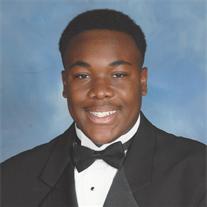
In the summer of 2018, Martez Brown, an 18-year-old male, was shot and killed in Natchez, Mississippi. His death on July 8 of that year was not an isolated act of violence but rather the catalyst for a grim series of retaliatory events that would soon grip the community. Brown was fatally wounded in a shooting that took place in the 300 block of Dumas Drive.
Investigators believed his murder was itself a reprisal for a previous aggravated assault and shooting in which Brown was allegedly involved in May 2017.
The aftermath of Martez Brown's death saw tensions escalate, culminating in a tragic drive-by shooting just two weeks later. This retaliatory act claimed the lives of a pregnant 17-year-old, Shakerria King, and her unborn child. Authorities quickly identified four suspects in the shooting that killed King: Montreal Rashawn Brown, who was Martez Brown's brother, Curtavius Dantrell Knight, Nicholas J. McGrew, and Carianta D. Allen. The investigation revealed that the firearm used in the drive-by shooting was linked to a shell casing found at the scene of Martez Brown's murder.
The legal proceedings that followed the retaliatory shooting brought some measure of justice for the death of Shakerria King and her unborn child, but the investigation into Martez Brown's murder proved more complex. While a name, Jack Lawrence Jackson, was mentioned 'on the streets' as being involved in Brown's killing, no charges were filed against him in connection to the murder. In the case of the retaliatory shooting, Montreal Brown was ultimately convicted of second-degree murder and aggravated assault. His co-defendants, Curtavius Knight, Nicholas McGrew, and Carianta Allen, all pleaded guilty to various charges related to King's death. The cycle of violence that began with Martez Brown's death left a lasting scar on the community, highlighting the devastating consequences of retaliatory gun violence.