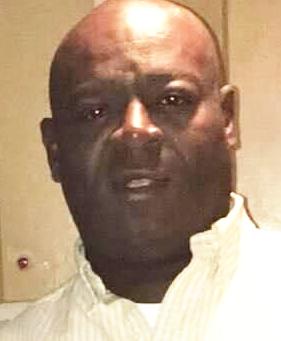
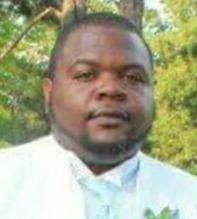
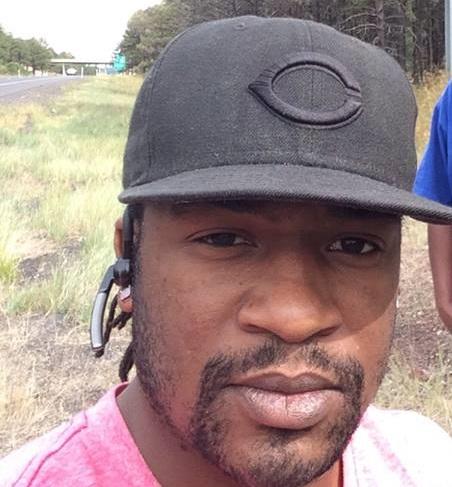
In the autumn of 2016, the life of 31-year-old Patrick Lacey was tragically cut short in Jackson, Mississippi. On the day after Thanksgiving, November 25, 2016, Lacey was fatally wounded in a shooting that marked the city's 60th homicide of the year. The incident unfolded on the quiet residential street of Grand Avenue, where the festive spirit of the holiday season was irrevocably shattered by an act of violence.
The circumstances surrounding Lacey's death pointed to a senseless act of
aggression. He was reportedly driving down the street when an argument erupted with another individual. This verbal confrontation quickly escalated, culminating in the other person brandishing a firearm and shooting Lacey. The single gunshot wound proved to be fatal, and Patrick Lacey's life came to a sudden and violent end, leaving a community in mourning and a family grappling with an immense loss.
In the days that followed, the Jackson Police Department launched an intensive investigation to bring the person responsible for this tragedy to justice. Their efforts soon zeroed in on a person of interest, Keyon Carter. An appeal was made to the public for any information regarding Carter's whereabouts, and the pressure mounted for him to come forward. Heeding the calls from law enforcement, Carter, accompanied by his mother and another individual, turned himself in to the authorities at the Jackson Police Department headquarters.
Following his surrender, Keyon Carter, who was 26 years old at the time, was taken into custody and formally charged in connection with the death of Patrick Lacey. Initially, he faced a charge of being a convicted felon in possession of a firearm, a serious offense that underscored a prior criminal history. As the investigation progressed and evidence was gathered, the charges against Carter were upgraded to the more severe accusation of murder, directly linking him to the fatal shooting of Patrick Lacey. Further details regarding the progression of the case through the legal system, including a trial and conviction, are not readily available in public records.