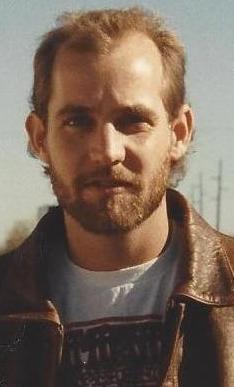
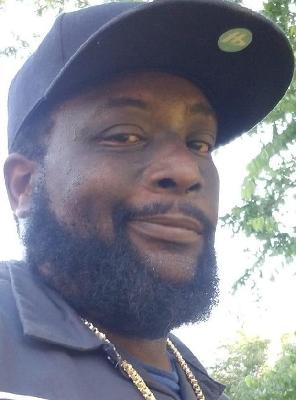
David Scott Smith, a 54-year-old white male, walked up to his attorney’s northwest Oklahoma City home on the evening of June 20, 2015, intending to collect some of his belongings. It was early summer and still light outside around 6 p.m. when he arrived at the house in the 1100 block of Northwest 80th Street, a quiet residential stretch that gave no hint of the violence about to unfold.
Smith had been meeting there with his criminal defense lawyer, Jay Silvernail, a man who knew not only his case file but a great deal about the difficult road that had brought him back into the free world.
In the years before that evening, Smith had spent more than two decades behind bars for a 1988 robbery case, finally earning parole and a chance at a different life. Several reports later noted that he was still on parole for that robbery when he was killed, the long prison term hovering in the background of any attempt to start over. Silvernail had tried to help with that transition, according to accounts that quoted him and those close to the situation: he helped with court costs after Smith’s release, bought him a truck so he could get around, assisted him in finding work, and even opened his home to him, blurring the line between professional obligation and personal compassion.
What happened next was reconstructed later from police statements and news reports. Smith was at the home to pick up property that belonged to him, but something during the visit triggered a sharp turn from routine to volatile. Investigators said that while he was gathering his things, he became upset with Silvernail and lashed out physically. As the two men moved outside toward a vehicle near the house, the confrontation intensified; authorities later described Smith as attacking his attorney during that moment. In the chaos of the struggle, Silvernail drew a firearm and fired, striking his client. When officers arrived in response to emergency calls, they found Smith gravely wounded on or near the property. He was pronounced dead at the scene, the visit that should have been a brief errand transformed into a fatal encounter in the driveway of the home.
Police detained Silvernail at the scene while they sorted through the initial evidence, treating him as the shooter but also as the surviving participant in what appeared to be a close-quarters fight. From the outset, their public statements framed the investigation around whether the killing was an act of self-defense. After reviewing witness accounts and the physical evidence, detectives concluded that Smith had attacked first and that the attorney’s use of deadly force was justified under Oklahoma law. Local and national legal news outlets reported that prosecutors agreed with that assessment: the shooting was officially ruled self-defense, no homicide charges were filed, and no alternative suspect was ever identified or sought. Smith’s death entered the record as a fatal self-defense shooting rather than an unsolved murder, even as gun-violence memorial sites later listed him among those “lost to gun violence” in Oklahoma City on that June day in 2015.
The story of his death did not end there, however, at least not in the public imagination. Nearly a year later, in May 2016, Silvernail’s name again appeared in headlines after a separate shooting outside Groovy’s, a bar in northwest Oklahoma City. This time, police arrested him on a complaint of assault with a deadly weapon after another man was seriously injured during a fight in the parking lot, a stark contrast to the 2015 case in which he had walked free after investigators deemed his actions justified. An Associated Press account and local television coverage linked the two episodes, noting that the attorney arrested at the bar was the same man who had previously shot and killed his client during what authorities had called a self-defense incident. Years later, a jury convicted Silvernail of assault and battery with a deadly weapon for the bar shooting and recommended a prison sentence and fine, but that conviction did not reopen or reclassify the earlier killing of his client. Officially, the death of David Scott Smith remains recorded as the result of a self-defense shooting by his attorney, with no outstanding suspects and no criminal charges ever brought in connection with the events outside that Oklahoma City home on June 20, 2015.