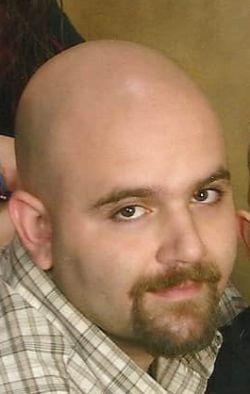
Frank Louis Williams, a 30-year-old Black male from Oklahoma City, built his life around steady work and close family ties in the years leading up to his death on July 1, 2015. Born in Pine Bluff, Arkansas, in April 1985, he eventually made his home in Oklahoma City, where he found regular employment as a truck driver for the Oklahoma City Highway Department, a job that kept him on the road but also rooted him in the rhythms of the city’s streets and public works.
Friends and relatives remembered him as someone who showed up for his responsibilities and for the people he loved, a son who stayed connected to his parents and a younger brother who carried the memory of an older sister, Diana, who had passed away before him.
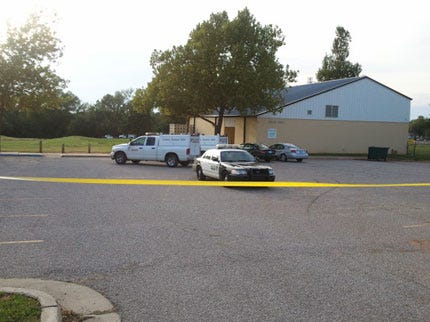
On the night of the shooting, northeast Oklahoma City was settling into a midsummer Wednesday when the quiet on Meyers Place, a residential street not far from the city zoo, was shattered by gunfire just before midnight. Multiple emergency calls reported shots in the area, and officers were sent to a home in the 1700 block of Meyers Place. When they arrived, they found Williams lying in the driveway at 1708 Meyers Place, gravely wounded by at least one gunshot. Paramedics from EMSA rushed him to OU Medical Center, but the damage was too severe, and he was pronounced dead at the hospital soon after. News of his death moved quickly through both local newscasts and online memorial pages, which recorded that he had been lost to gun violence in Oklahoma City on July 1, 2015.
As detectives began their work in the early hours after the shooting, they canvassed the neighborhood and interviewed witnesses who had heard or seen parts of the attack. The scene offered more questions than answers. Investigators said they were not yet sure what led to the confrontation that ended in Williams’ death, and they released only a few details to the public. Witness accounts and early police statements pointed to a four-door vehicle seen leaving the area, and officials said they were looking for multiple suspects connected to that car. Despite the flurry of activity that night and the appeals that followed, police reported that no arrests had been made in the case, and they urged anyone with information to contact the Oklahoma City Police Department’s homicide tip line.
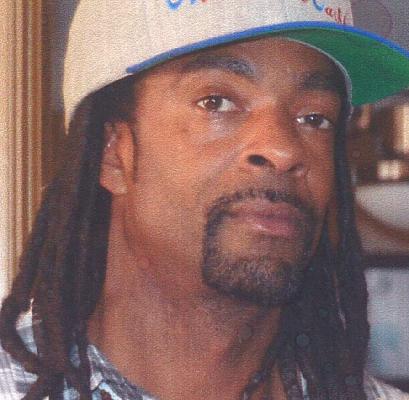
In the months and years since, Williams’ name has lived on more in memorials and case listings than in court records, a sign that the investigation remains unresolved in the public record. Online tributes preserve his photograph and the basic facts of his life—his age, his hometown, the date he was killed—while homicide registries and advocacy sites continue to list his death among Oklahoma City cases still in need of answers. These pages speak quietly of a life cut short: a working man whose routine evening ended in sudden violence in his own driveway, leaving family and friends to mourn without the closure that an arrest or trial might bring. The requests for information, preserved alongside his memorials, echo the hope that someone who was there that night, or who heard something in the days that followed, might yet step forward so that his story can end with justice as well as grief.