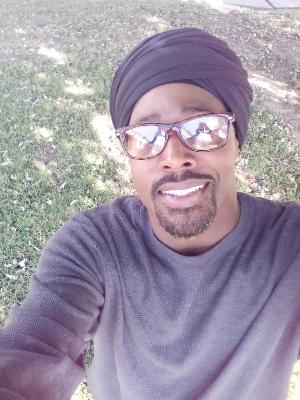
Cameron Lee Cox was a 50-year-old man living in southeast Oklahoma City when his life was cut short on Monday, September 21, 2015. That early afternoon, around 1 p.m., police were called to a modest residence in the 600 block of SE Grand Boulevard, near the intersection of SE Grand and Lindsay. Neighbors and passersby would later remember the sharp crack of gunfire breaking into an otherwise ordinary day, followed by the sudden arrival of patrol cars converging on the quiet street.
Responding officers found Cox already dead from multiple gunshot wounds at the scene, the violence of the attack leaving no doubt that this had been a deliberate killing rather than an accident or a struggle gone wrong.
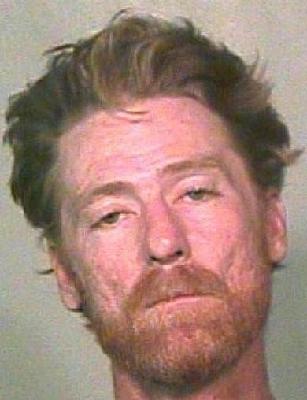
Very quickly, attention turned to a single suspect. According to Oklahoma City police, witnesses and initial investigation pointed to 52-year-old Alan Eugene Strickland, a man with a personal history tied to Cox’s household. Officers were told that Strickland had walked up to the residence where Cox was, produced a firearm, and shot him before calmly walking away from the scene. Within hours, police had taken Strickland into custody in connection with the shooting, treating the case from the outset as a targeted killing rooted in a fraught personal relationship rather than a random act of street violence. Later reporting by local outlets would frame the crime as the fatal shooting of an ex-girlfriend’s boyfriend, suggesting that jealousy and unresolved resentment from a past relationship formed the backdrop of the confrontation that ended Cox’s life.
In the months and years that followed, the investigation moved from the street to the courtroom. Prosecutors built their case around the police narrative of Strickland’s approach to the home, the shooting, and his departure, along with the fact that he was swiftly identified and detained after Cox’s death. Public court records show that in 2017 an Oklahoma jury found Alan E. Strickland guilty of first-degree murder, and the trial court sentenced him to life imprisonment for the killing. The conviction meant that, in the eyes of the law, Cox’s death was not a momentary outburst or an accidental discharge, but an intentional act that met the highest threshold of criminal homicide in the state.
Even after the verdict, the case did not vanish from the legal system. Strickland pursued direct appeals and later filed applications for post-conviction relief in state court, challenging aspects of his conviction and representation, but Oklahoma’s appellate courts left the murder judgment and life sentence in place. He then turned to the federal courts, seeking habeas corpus relief; there, too, judges reviewed his filings and ultimately declined to disturb the state court outcome, finding his petition untimely and his arguments insufficient to reopen the case. While the legal wrangling continued in briefs and orders, the central fact remained unchanged: Cameron Lee Cox had been gunned down at his own residence on a late-summer afternoon in 2015, and the man identified as his killer had been arrested, prosecuted, and convicted, leaving Cox’s family and community to live with the memory of a quiet neighborhood transformed in an instant by gunfire.