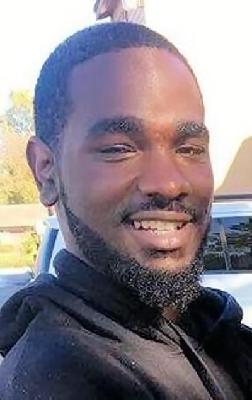
David Willis, a 33-year-old White male from Tulsa, Oklahoma, spent the late hours of June 20 spilling over into the early morning of June 21, 2017, doing what he often did to unwind: sitting in his car outside his north Tulsa home, listening to music and drifting toward sleep. He had recently moved back in with his mother and stepfather to help them pay off their home and to be close at hand when they needed him.
Family described him as the kind of person who would show up first when someone needed a house painted, a tree cut down, or a repair done, and as a man who loved barbecues, game nights, and crowding into photos with his brothers, nieces, and nephews. On that night, his mother, Paula Wood, felt a gnawing sense of dread and begged him to stay in, but he reassured her with a hug and a promise that he would be fine before heading out once more.
While Willis was coming and going from the modest neighborhood near Admiral and Harvard, trouble was brewing just around the corner. In the very early morning hours, another resident of the area, 36-year-old neighbor John David Schmidt, was involved in a volatile confrontation tied to an attempted break-in at a nearby home. Investigators later described how Schmidt fired several shots outside the house and then kicked in the door, prompting the startled homeowner to return fire. Schmidt fled into the darkness of the surrounding streets, agitated and still armed, the echo of gunshots leaving neighbors awake, confused, and unsure whether they were hearing fireworks or something far worse.
On Marion Avenue, a few houses away, Willis had parked in front of his home and settled into his car, likely half asleep, the way his mother said he often dozed off in odd positions behind the wheel after a long day. As the night crept toward 3 a.m., one neighbor counted a rapid series of shots and stepped outside, trying to decide if the sounds were really gunfire. When he walked closer, he saw a figure slumped in a vehicle and realized that someone had been shot. The man in the car was Willis, struck by rounds fired in the street as Schmidt moved through the neighborhood, discharging his handgun. Police would later characterize Willis as an innocent bystander, in the wrong place at the wrong time, caught between a botched home invasion and a cascade of reckless gunfire that had nothing to do with him.
Patrol officers converged on the area after hearing shots and receiving frantic calls. As one officer drove past, he spotted Schmidt in the street, still armed. The officer heard a shot and braced for an attack, then heard two more shots ring out—shots that investigators believe were the ones that tore into Willis’s car and ended his life. Moments later, confronted by police, Schmidt dropped his weapon and surrendered without further resistance. Homicide detectives soon identified him as the man they believed had fired the fatal rounds, and he was taken into custody.
In the hours that followed, detectives pieced together the grim sequence of events. Schmidt, a convicted felon originally from Kansas, was booked into jail on complaints including first-degree murder, first-degree burglary, shooting into an occupied dwelling, multiple counts of discharging a firearm into a building, and possession of a firearm after former conviction. Reports from that day note that he confessed to the murder and burglary when questioned, and prosecutors filed a criminal complaint laying out the charges tied to Willis’s death. In the months that followed, mental evaluations and legal hearings unfolded; a judge eventually ruled that Schmidt was competent to stand trial on the murder and burglary counts, allowing the case to move forward through the courts.
Back on Marion Avenue, the focus was not on legal terms but on the empty space Willis left behind. His mother replayed the last conversation they had, haunted by the feeling that if he had listened to her plea to stay home, he might still be alive. She remembered his quirks—how he could fall asleep in his car, how he loved to be the first to volunteer when someone needed help, how proud he was to line up for photos with his family. A nine-year-old niece talked about her favorite uncle who played board games and spent time with her. Friends and relatives shared stories of a man with a “heart of gold” who never missed a chance for a family barbecue or game night, and they struggled to raise money for his funeral through an online memorial fund. In the days after the shooting, neighbors said they were stunned and searching for answers, looking at the quiet street with new unease, knowing that a man who had only been trying to come home and rest in his car had been killed steps from his front door.