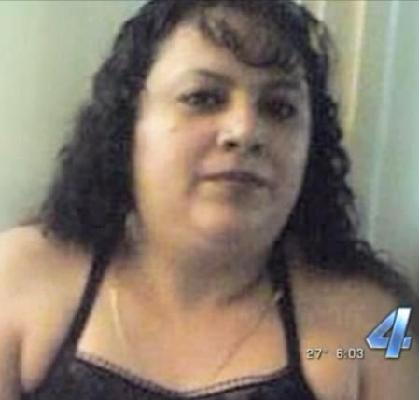
Jennifer Young, a 51-year-old white woman from Oklahoma City, Oklahoma, was found shot to death on February 1, 2018, after a night of sudden and cascading violence centered on the family’s home on Barton Drive in the far southeastern part of the city. In the early hours of the morning, a 911 call came in as a “trouble unknown” at the address, summoning Oklahoma City police officer Brandon McDonald to the quiet residential property.
As he walked up the drive, he passed a van sitting outside the home with its doors hanging open, a detail that would later take on grim significance.
When McDonald knocked on a side door, the situation exploded in seconds. The man who answered was 56-year-old William Young, Jennifer’s husband. According to later accounts and released body-camera footage, William almost immediately raised a gun and opened fire on the officer at point-blank range. McDonald dropped toward the ground and returned fire, killing William in the doorway as the gunfight echoed through the still-dark neighborhood. Only after backup arrived and the home was secured did officers begin to understand the full scope of what had already happened before they got there.
Inside the home, officers heard a woman’s voice calling out that she had been shot and needed an ambulance. That wounded survivor was identified as 29-year-old Rebecca Johnson, the couple’s adult daughter. She had been shot in the face but was still alive, and paramedics rushed her from the scene to a hospital, where later reporting indicates she recovered from her injuries. As investigators worked their way back outside, they turned their attention to the van Officer McDonald had walked past when he first arrived. Inside, they found Jennifer’s body; she had been killed by gunfire before the officer ever reached the door. Jennifer was identified as William’s wife and Rebecca’s mother, tying all three victims of the night’s violence—one dead woman, one wounded daughter, and a husband killed by police gunfire—back to the same family.
In the hours that followed, the scene on Barton Drive shifted from an active shooting to a homicide investigation. While officers were still securing the area, William’s younger brother, 55-year-old Robert Young, attempted to leave. Police detained him and soon announced that he had been arrested on suspicion of murder and kidnapping in connection with Jennifer Young’s death. He was booked on murder and kidnapping complaints, while detectives continued to piece together what role he was alleged to have played alongside his brother in the series of events that left Jennifer dead and Rebecca gravely wounded. At the same time, media coverage described William as the man who had allegedly murdered his wife before turning his gun on the responding officer, casting him as the central figure in the domestic attack that preceded the officer-involved shooting.
Jennifer’s killing and the lethal confrontation with police were recorded among Oklahoma City’s first homicides of 2018, and Officer McDonald was placed on paid administrative leave pending the standard review of his use of force. In the years since, Jennifer’s name has been preserved in gun-violence memorial databases and homicide registries, where she is remembered as a victim whose life ended in a van outside her own home before dawn, at the center of a night that shattered her family and left lingering questions about how tensions inside that house escalated into murder, attempted murder, and an exchange of gunfire with police.