On the night of January 21, 2019, in a quiet cul-de-sac on Lauren Lane in Midwest City, Oklahoma, DeMario Brown, a 31-year-old Black / African American man, was gunned down in the front yard of his home. Police officers were dispatched just after 9:30 p.m. following reports of shots fired; when they arrived, they found him lying in the yard with a gunshot wound.
Despite their efforts, he was pronounced dead at the scene, the darkness of a cold Monday evening suddenly broken by flashing emergency lights and the gathering of stunned neighbors watching from their doorways.
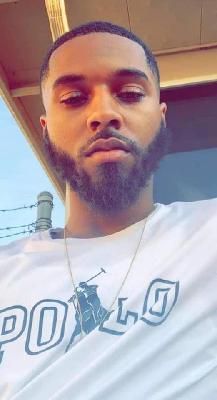
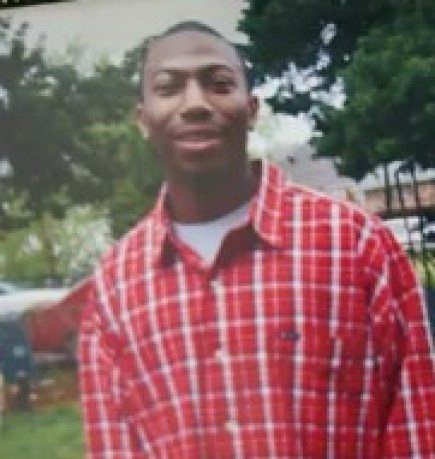
In life, Brown was more than just a name in a police report. He lived in the Oklahoma City area and worked as a mental health tech, spending his days caring for others in a field that demands patience and compassion. Those who knew him remembered someone “full of life,” loving, caring, and protective, a man with a big heart who was deeply devoted to his family and children. Comments left on an online memorial page paint a portrait of a warm, fearless presence who was cherished as a brother, cousin, friend, and father, the sort of person whose absence leaves a visible gap in the everyday rhythms of a family and a community.
The violence that took his life unfolded in an instant. Witnesses reported seeing an unknown vehicle in the cul-de-sac just before gunfire erupted, then speeding away into the night as neighbors tried to make sense of the chaos outside their homes. Investigators later documented the case as a drive-by shooting, a burst of gunfire from a passing car that left Brown mortally wounded on his own lawn. National incident records categorized the killing as a drive-by involving possible gang and drug connections, reflecting the way authorities and crime trackers have tried to understand the context of the attack, even as the people closest to him remembered only the shock of losing someone they loved without warning.
In the days that followed, Midwest City’s police chief described the investigation as “extremely active,” asking the public for help and emphasizing that detectives were pursuing viable leads to identify those responsible. Months later, case summaries and crime databases would show that the shooting had been traced to two young men, 19-year-old Kurtis M. Simmons and 18-year-old Arknoah E. Watley. According to those records, the investigation concluded that the killing was a drive-by shooting and that Simmons, from Oklahoma City, was identified as the gunman, while Watley, from Midwest City, was believed to have driven the car. Both were arrested and charged with first-degree murder in connection with Brown’s death, their names entering the public record not as passing shadows in a cul-de-sac but as alleged participants in the attack that shattered a family.
For Brown’s loved ones, the story did not end with arrests or legal filings. Online memorials show candles lit in his honor and messages from friends and family who still speak to him as if he might walk through the door again, promising that he will never be forgotten. They remember his work helping others, his role within his family, and the pieces of everyday life that were stolen along with his future. The official accounts describe a drive-by shooting on a suburban street and a homicide case that moved from frantic first calls to named suspects, but the tributes left behind capture something less quantifiable: the quiet, enduring grief of a community that still feels the echo of that January night.