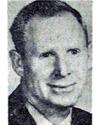
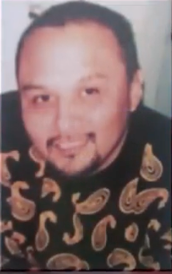
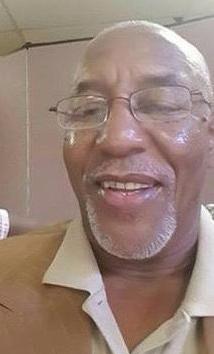
Josh Stewart, a 41-year-old white male, drove into a familiar stretch of southwest Oklahoma City on the night of May 2, 2020, ending his day at a 7-Eleven near Interstate 240 and South May Avenue. Sometime around 10 p.m., whatever routine errand had brought him there was violently interrupted. In the parking lot of the gas station, amid the glow of canopy lights and passing traffic, Stewart was shot and left critically wounded.
Responding officers found him lying in that lot with gunshot injuries and called for emergency medical help. He was rushed by ambulance to a nearby hospital, but despite those efforts he died shortly after arrival, his death later recorded as one of the city’s 2020 homicide cases.
In the first hours after the shooting, police released only limited information. They confirmed that the victim was Stewart and that he had been discovered in the parking area outside the store, not inside it. The location, a busy corridor near I-240 and South May, would normally have been frequented by late-night customers and passersby, yet investigators initially reported having no clear description of any suspect. Early reports noted that officers were dealing with conflicting witness statements about what had happened in the moments leading up to the gunfire, adding to the challenge of reconstructing the scene. Even so, the fact that the killing took place in a well-lit commercial area suggested there would be surveillance footage and additional witnesses for detectives to track down as they began piecing together the final minutes of Stewart’s life.
As the investigation unfolded, detectives worked through those early contradictions. They canvassed the area around the gas station, speaking with people who had been nearby and reviewing available video from the store and surrounding businesses. The focus of the case shifted from simply identifying the victim to understanding who had confronted him and why the encounter had escalated to deadly violence in a public parking lot. Within a short time, police announced that they had identified potential suspects connected to the shooting, signaling that the scattered fragments of witness accounts and physical evidence had begun to form a clearer picture.
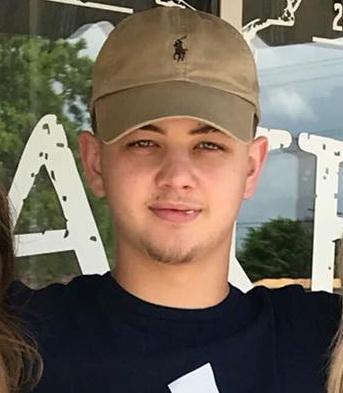
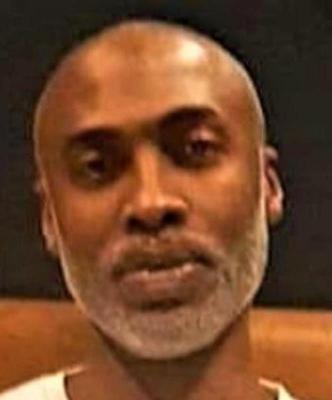
That work culminated in the arrests of two young men. Police named 20-year-old Trevynn Conley and 21-year-old Clarence Wright as the suspects in Stewart’s killing, stating that both had been taken into custody and booked into the Oklahoma County Jail on complaints of murder. Local coverage emphasized that investigators believed these two were directly responsible for the gunfire that ended Stewart’s life in the 7-Eleven parking lot. The arrests transformed the case from a frightening, anonymous shooting into a defined criminal prosecution centered on those two accused individuals, even as questions about motive and the precise sequence of events remained for the courts to address.
In the years since, Stewart’s name has appeared on online memorials dedicated to victims of gun violence and in brief obituary notices marking the dates of his birth and death. These listings describe a man whose life, anchored in Oklahoma City, ended abruptly and senselessly in a parking lot on a spring night. Friends, family, and strangers have continued to mark his absence by lighting virtual candles and leaving messages of remembrance, small acts that stand in contrast to the stark language of police reports and court records. Together, the official accounts and the memorial tributes sketch a story of a life cut short in an apparently random act of violence, and of a community left to wrestle with grief long after the flashing lights and crime-scene tape disappeared from that southwest Oklahoma City gas station.