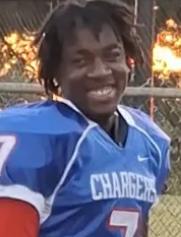
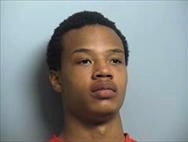
Johnny Lee Dean, a 22-year-old Black / African American man, was shot multiple times in the early hours of January 11, 2021, outside an apartment complex near East 66th Street and South Peoria Avenue in south Tulsa, Oklahoma. Shortly after 1:30 a.m., police were called to the complex on reports of gunfire and found Dean lying in the parking lot with numerous gunshot wounds. He was still alive when officers and medics reached him, and he was rushed to a local hospital in critical condition.
Through the morning, doctors tried to save him, but by around 10:15 a.m., he was pronounced dead, turning what began as an overnight shooting call into one of Tulsa’s early homicide cases of 2021.
As detectives worked through the chaos of that night, a clearer picture of the confrontation emerged. Investigators determined that Dean had gone to the complex with another 22-year-old, Corban Uriel Ashton Payne. The two were reported to have targeted a resident in the parking lot, confronting and attacking that person in what police described as a beating and robbery in progress. In the midst of the struggle, the targeted resident produced a firearm and opened fire, striking Dean several times and bringing the assault to a sudden end. From the outset, officers emphasized that the shooter appeared to have used the gun defensively while being attacked, and later coverage summarized the case with the conclusion that the fatal shots were fired in self-defense.
In the days that followed, attention turned to finding and arresting the surviving participant in the robbery. On January 13, 2021, Tulsa police went to a home to serve an arrest warrant on Payne for his role in Dean’s death. What could have been a quiet pickup turned into a brief standoff before Payne was taken into custody. Authorities stressed that Payne was not the one who pulled the trigger that night; instead, they accused him of sharing responsibility for the deadly encounter by helping initiate the robbery and assault that led to Dean being shot. Early on, he faced a serious slate of charges, including first-degree felony murder tied directly to the death that unfolded in the parking lot, along with charges related to attempted armed robbery and illegal firearm possession stemming from the same incident.
While the legal case moved slowly through the courts, Dean’s absence was felt in more personal ways. Online memorials collected photographs and messages from people who knew him, painting a picture of someone remembered not just as a homicide statistic but as family and friend. On a national gun-violence remembrance site, relatives and acquaintances lit digital candles and posted tributes, calling him respectful, loving, helpful, and “someone you could always turn to,” with references to his time at Tulsa Central High School and comments from cousins, siblings, and other loved ones grieving his loss. The page filled over time with short, raw expressions of pain and affection, each new message marking another person trying to make sense of a life cut short in a parking lot before sunrise.
The courtroom proceedings focused on Payne’s role in the events of January 11. Prosecutors initially charged him with first-degree felony murder, attempted robbery with a dangerous weapon, and possession of a firearm after a juvenile adjudication, all tied to the violent confrontation that ended with Dean’s death. Just over a year later, on February 25, 2022, the case against him reached its conclusion. Records from Tulsa County District Court show that the felony murder charge and the firearm-possession charge were dismissed at the state’s request. The remaining robbery-related count was amended to aggravated assault and battery, and Payne entered a guilty plea. A judge sentenced him to five years in the custody of the Oklahoma Department of Corrections, with credit for time already served, and ordered the sentence to run concurrently with several earlier cases. With that plea and sentencing, formal responsibility for the crime centered on Payne’s part in the beating and attempted robbery that set the tragedy in motion, while the person who fired the fatal shots remained framed in official accounts as having acted in self-defense during a desperate struggle in the dark.