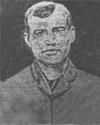
In the early morning hours of February 19, 1983, a horrific scene of violence unfolded within the confines of the Wah Mee gambling club, tucked away in Seattle's International District. Among the victims of what would become known as the Wah Mee Massacre was Hung Fat Gee, a 54-year-old Asian man. The night, which had likely begun with the familiar sounds of gambling and socializing, ended in a brutal and calculated robbery that escalated into a mass murder, marking it as one of the deadliest in
the city's history.
The perpetrators, driven by a plan to rob the establishment and its patrons, showed a chilling level of ruthlessness. They systematically bound each of the occupants with rope, hog-tying them to neutralize any resistance. With the victims helpless, the assailants then proceeded to shoot each person execution-style, a move intended to eliminate all witnesses to their crime. Hung Fat Gee, along with twelve other individuals, perished in the bloody onslaught. The grim discovery of the victims, all found shot in the head, sent shockwaves through the local community and beyond.
The investigation into the massacre was swift, leading authorities to two primary suspects: Benjamin Ng and Willie Mak. Ng was apprehended by police while he was in bed, and Mak surrendered to law enforcement shortly thereafter. Both men were subsequently charged with multiple counts of homicide for their roles in the gruesome event. The crime left an indelible scar on Seattle's Chinatown, raising concerns about illegal gambling and organized crime and prompting increased scrutiny of private gambling clubs in the area. The memory of Hung Fat Gee and the other victims serves as a somber reminder of the tragic events that transpired that night.