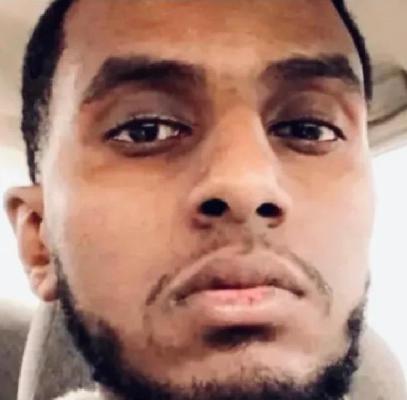
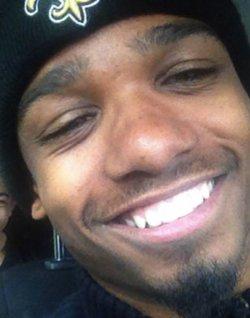
In the winter of 2018, the city of Seattle lost a beloved figure, Rod Jones, a 54-year-old Black man known for his accomplishments on and off the football field. On December 7, 2018, Jones died by suicide from a self-inflicted gunshot wound. He was pronounced dead at Harborview Medical Center, surrounded by his family and former University of Washington teammates.
His death was not the result of a criminal act, and therefore, there were no arrests made or suspects sought in connection with his passing.
Born in Richmond, California, Jones made a name for himself as a talented tight end at El Cerrito High School before becoming a standout player for the University of Washington Huskies in the mid-1980s. He was a key member of the 1984 team that achieved a historic victory in the Orange Bowl. After his college career, Jones was drafted by the New York Giants and had a three-year NFL career, playing for the Kansas City Chiefs and the Seattle Seahawks. Following his time in professional football, he returned to the University of Washington, not as a player, but as a dedicated academic coordinator in the athletic department for 18 years, where he mentored and supported student-athletes.
Behind his public success, however, Jones was facing personal battles. His family revealed that he had recently been diagnosed with early-onset dementia and had a history of alcohol abuse. They believed he was suffering from Chronic Traumatic Encephalopathy a degenerative brain disease often found in athletes with a history of head trauma. His family made the decision to donate his brain to Boston University for CTE research, hoping to contribute to a better understanding of the condition that they believe played a significant role in the tragic end to his life.