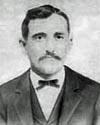
On July 14, 1911, the community of Pulaski County, Kentucky, was shaken by a violent double homicide that claimed the life of 45-year-old White / Caucasian male Andrew Jackson Beatty. A Justice of the Peace, Beatty was conducting official business in a makeshift courtroom in the town of Burnside alongside Constable William F. Heath. The two officers, who had reportedly put aside a past personal rivalry to work together in law enforcement, were targeting the illegal sale of alcohol and gambling
in the area. Their efforts had drawn the ire of local figures involved in these illicit activities, leading to a confrontation that afternoon which would end in bloodshed.
Two men, Deputy Sheriff James Ellis and Deputy Constable Fount Helton, entered the room where the officers were stationed. The confrontation stemmed from warrants that Beatty had issued for Ellis's arrest on charges related to selling liquor and gaming. Tensions immediately escalated, and gunfire erupted within the confines of the building. Witnesses later testified that Ellis and Helton fired upon the unarmed or unprepared officials. Beatty and Heath were both struck multiple times by bullets from two different pistols, indicating that both assailants had participated in the shooting. The attack was swift and brutal, leaving both the magistrate and the constable dead at the scene.
The public reaction was immediate and volatile, with outrage spreading so quickly that authorities feared a lynch mob would storm the local jail. To ensure the safety of the suspects and the integrity of the judicial process, Ellis and Helton were transferred to a jail in Danville. A special term of the Pulaski Circuit Court was called to handle the case, and due to the high emotions in the county, jurors were summoned from neighboring Casey and Lincoln counties. During the proceedings, the prosecution painted a picture of a calculated assassination driven by the desire to stop the officers' crackdown on local crime.
The trials resulted in severe convictions for both defendants. James Ellis was found guilty of murder and sentenced to death; despite a desperate attempt to escape his cell by sawing through the bars, he was ultimately executed in the electric chair. Fount Helton, who also faced a murder charge, received a life sentence for his role in the slayings. The case stood for decades as a grim reminder of the dangers faced by local law enforcement during the turbulent era of prohibition and vice control in rural Kentucky.