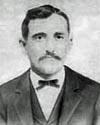
In the quiet town of Somerset, Kentucky, a chilling discovery was made on October 29, 2015, shattering the community's sense of peace. Albert Dewey Hail, a 76-year-old male resident, was found deceased in his home on Oak Hill Road. What might have initially appeared to be a natural passing soon revealed a more sinister reality as investigators determined that Hail's death was the result of a homicide.
The news of a murder in their midst sent ripples of concern and sadness throughout the local community, prompting a thorough investigation to bring justice for a life tragically cut short.
The investigation into Albert Hail's death led authorities to a primary suspect: 35-year-old Bret D. Crozier. Evidence gathered by the Somerset Police Department pointed to Crozier's involvement in the crime, and he was subsequently indicted for the murder of Albert Hail. The case against Crozier moved through the legal system, culminating in a trial where the prosecution presented the evidence they had meticulously collected to link him to the scene and the violent act that ended Hail's life. The defense, in turn, worked to challenge the narrative put forth by the prosecution, creating a tense and closely watched legal battle.
Following the trial, Bret D. Crozier was convicted in connection with the events surrounding Albert Hail's death. While the specific charge of murder is not explicitly detailed in readily available public records, Crozier was found guilty of Wanton Endangerment in the First Degree and Possession of a Firearm by a Convicted Felon. The crimes for which he was convicted occurred on October 25, 2015, just days before Hail was discovered deceased. For these offenses, Crozier received a significant sentence and is currently incarcerated. His parole eligibility is not until 2036, with his sentence projected to end in 2051, ensuring that the individual responsible for the violent events leading to the death of Albert Hail would be held accountable for his actions.