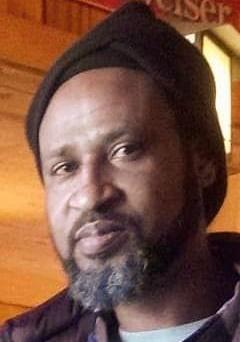
On a rainy Tuesday, August 25, 1981, Richard Paul Miller Sr., a 59-year-old White/Caucasian male and a veteran officer of the Minneapolis Police Department, was nearing the end of his shift. Just after 5 p.m., a call came in about a stolen red pickup truck at the intersection of 16th and Girard Avenues North. Miller, who was patrolling alone, a practice that was a point of contention within the department, responded to the call.
He arrived at the scene to find the truck occupied by a young man and a teenage girl.
As Miller approached the vehicle and began to question the male occupant, 22-year-old Isaac Brown, the situation escalated with tragic swiftness. Brown, with a. 357 magnum revolver concealed in a bag, opened fire on Officer Miller at close range, striking him twice in the chest. Despite being critically wounded, Miller managed to draw his own weapon and fire several shots, all of which missed his assailant. Brown then fired three more times at the fallen officer before fleeing the scene with his 17-year-old girlfriend. In total, Miller was struck five times. He was rushed to Hennepin County Medical Center, where he succumbed to his injuries an hour later, just 18 months shy of his planned retirement.
An extensive manhunt was immediately launched for the suspect, Isaac Brown, who was quickly identified. For nearly three days, Brown and his girlfriend hid in a friend's apartment in South Minneapolis. With the assistance of a minister who helped persuade them, the pair ultimately surrendered at the police headquarters in City Hall. Within minutes of his arrest, Brown confessed to the shooting. The murder weapon, a stolen police revolver, was recovered from the apartment where he had been hiding. Isaac Brown was subsequently tried and convicted for the murder of Officer Miller and was sentenced to life in prison. His girlfriend received immunity in exchange for her testimony against him. Years later, in July 2018, Brown was granted work-release status. The law in Minnesota was later changed, removing the possibility of parole for anyone convicted of the first-degree murder of a police officer.