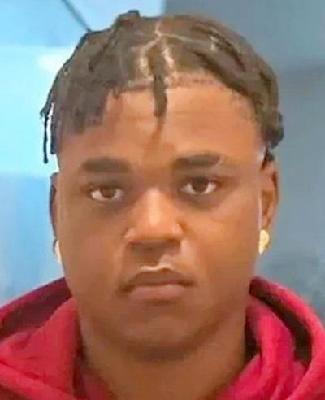
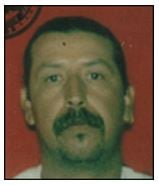
Travis J. Doering, a 40-year-old resident of Las Vegas, Nevada, met a tragic end on April 8, 2014. The incident involved a confrontation with the Las Vegas Metropolitan Police Department SWAT team.
On the morning of April 8, 2014, around 5:30 a.m., Travis Doering was shot and killed by a Metro SWAT officer outside a house in the 5700 block of West Washburn Road in Las Vegas. The circumstances leading to the shooting were part of a police response to a situation at the residence.
However, there is no indication that Doering was armed or posed an immediate threat that would have necessitated the use of lethal force, according to his family's accounts. His aunt described him as a 'non-violent free spirit,' contradicting any notion that he was a threat to the officers involved.
The Clark County District Attorney's Office conducted an investigation into the shooting, which resulted in a report released on June 16, 2015. This report detailed the actions of the SWAT officer involved but did not identify the officer by name. The investigation aimed to determine whether the officer's actions were justified under the law. However, the report did not lead to any arrests or charges against the officer, as the DA's office concluded that the actions were within legal bounds.
Following the incident, Michael Troiano was appointed as the Ombudsman to represent Travis Doering's family in a fact-finding review. This appointment was part of an effort to provide transparency and accountability in the investigation process, ensuring that the family's concerns and questions were addressed.
There were no suspects or arrests made in connection with Travis Doering's death, as the investigation focused solely on the actions of the police officers involved. The case highlights the complexities and controversies surrounding police use of force and the need for thorough and transparent investigations to ensure justice and accountability.
Travis Doering's funeral was held on April 16, 2014, at Resurrection Lutheran Church in St. Joseph, Missouri, reflecting the impact of his death on his family and community. The incident remains a significant point of discussion regarding police procedures and the use of force, particularly in cases where the deceased is described as non-violent and not posing an immediate threat.