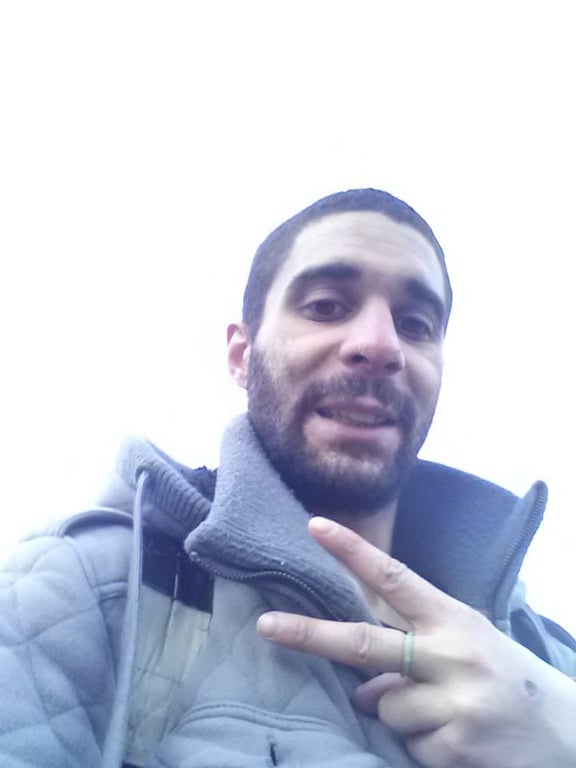
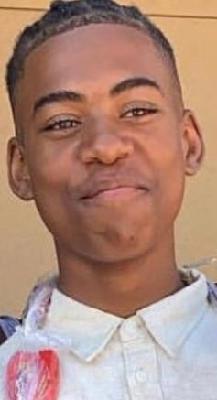
On December 31, 2015, Keith Childress, Jr., a 23-year-old father of three, was fatally shot by officers of the Las Vegas Metropolitan Police Department in a tragic incident marked by misinformation and mistaken identity. Childress was visiting Las Vegas for the New Year's holiday and was staying with a relative in the city.
The events leading to his death began with a misunderstanding initiated by U.S. Marshals.
Childress was wanted on several felony counts, including robbery, assault, and kidnapping, stemming from a 2013 home invasion case in Arizona for which he had failed to appear in court for sentencing. However, he was not wanted for attempted murder, as mistakenly communicated by the U.S. Marshals to the LVMPD. After a two-day stakeout, the marshals located Childress at his relative's residence and moved to apprehend him. When Childress ran, the marshals called in the LVMPD for assistance, incorrectly informing them that Childress was wanted for attempted murder and might be armed due to a gun found in his relative's car, which was actually registered to the relative.
The LVMPD officers involved in the shooting were Sergeant Robert Bohanon and Officer Blake Walford. Both officers were equipped with body cameras, but only Bohanon's camera was activated during the incident. When Childress was spotted in a neighborhood near Desert Breeze Park, officers approached him, commanding him multiple times to surrender and drop what they believed was a gun. However, Childress was only holding his cellphone. Despite the repeated commands, Childress began walking towards the officers, leading Bohanon to fire four rounds and Walford to fire five rounds. Childress was hit five times, in his chest and left wrist, and succumbed to his injuries.
The shooting was followed by further actions that have been criticized. After Childress was shot and lay immobile on the ground, LVMPD Officer James Ledogar released a police dog on him, which caused additional injuries. The officers also failed to provide timely medical care to Childress after the shooting.
The investigation and subsequent review of the incident revealed several critical points. The review, conducted by the district attorney's office, determined that the officers did not attempt to use non-lethal force before opening fire. Both Bohanon and Walford had tasers, but they were out of range since Childress was 45 feet away when he was shot. The review also highlighted the emotional impact on Childress's family, who were present during the review and were deeply distressed by the evidence presented, including radio traffic and body camera footage.
No criminal charges were filed against the officers involved. However, Childress's mother, Jacqueline Lawrence, filed a civil lawsuit against the LVMPD for his wrongful death, alleging multiple civil rights violations, including excessive force, denial of medical care, and substantive due process violations. The lawsuit also claimed municipal liability against the LVMPD for failure to train and maintaining unconstitutional customs and policies.
In the civil trial, the jury assigned 75% of the responsibility for Childress's death to Childress himself, 15% to Sergeant Robert Bohanon, 10% to Officer Blake Walford, and 0% to Officer James Ledogar. The jury awarded $50,000 to each of Childress's three children for grief and sorrow. The defendants had argued that they did not violate any constitutional rights, acted in good faith, and were protected by qualified immunity, but these arguments were partially rejected by the jury's verdict.
There were no arrests made of the officers involved in the shooting. Instead, they were placed on administrative leave following the incident, but it was unclear as of the review whether they had returned to work. The names of the deputy U.S. marshals involved in the incident were not released, in line with the U.S. Marshals Service policy of concealing the identities of marshals involved in shootings.