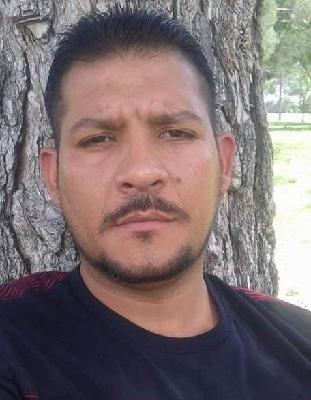
On April 15, 2016, Davion DeShawn McKinzie, a 34-year-old resident of North Las Vegas, Nevada, was found shot outside a building in a North Las Vegas neighborhood. This incident was part of a series of violent events that occurred in the area during that period.
The shooting involving McKinzie was linked to other related incidents of gunshot wounds reported in the vicinity.
Specifically, police responded to calls about gunshot wounds in two separate locations: the 5700 block of Pavot Court, near East Vegas Valley Drive, and the 8500 block of Pacific Shores Drive, just a few blocks away. These incidents were part of a broader context of increasing gang-related violence in the valley.
In the aftermath of McKinzie's death, police investigations revealed that the violence involved several young individuals, some of whom were younger than 15 years old. A juvenile was taken into custody to face a murder charge in connection with the shooting. It was noted that some of the teens implicated in the shootout attended local high schools, including Eldorado High School.
The police identified that the violence was often driven by disputes and arguments rather than large-scale gang warfare. According to UNLV criminology professor Bill Sousa, these killings tend to follow the unpredictable nature of most homicides, which often start as disputes or fights. In such cases, the suspect and the victim usually know each other, and these crimes of passion occur away from public view, making them difficult to predict.
As for the specific case of Davion DeShawn McKinzie, while the sources do not provide detailed descriptions or names of the suspects directly involved in his murder, they do indicate that a juvenile was arrested and charged with murder. The investigation highlighted the involvement of young individuals and the broader issue of gang-related violence in the area. However, the sources do not specify the exact identity or descriptions of the suspects beyond the age and affiliation with local schools.
The community and law enforcement responded to these incidents with increased outreach and engagement. Officers from the community-oriented policing unit, including those mentioned like Hernandez and Wilbur, conducted community outreach at local apartment complexes and high schools to address the youth gang problem and connect with students on a personal level. This effort aimed to prevent further violence by building positive relationships with the community and identifying early indicators of more serious crimes.