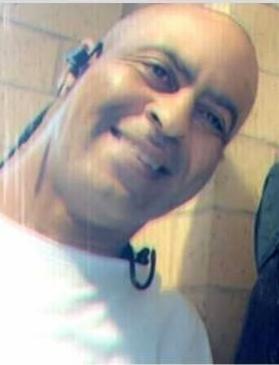
On September 6, 2016, a tragic incident occurred in Las Vegas, Nevada, resulting in the deaths of two individuals, including 24-year-old DeAnte Dixon. The incident took place in the parking lot of an apartment complex located at 2200 N. Torrey Pines Drive. According to court documents and police reports, Dixon and another victim, 28-year-old Charles Edward Warren, were found dead outside a silver Dodge Caliber.
Both victims had suffered multiple gunshot wounds.
The investigation into the shootings led police to identify Johnny Baggett, then 19 years old, as the primary suspect. Key evidence included Baggett's driver's license, which was found inside the Dodge Caliber, as well as a 9 mm handgun discovered at the scene. Witnesses reported seeing two men fleeing the apartment complex and jumping over a perimeter fence, with the gunman believed to have been in the back seat of the Caliber at the time of the shooting.
Baggett's involvement in the crime was further solidified by video surveillance footage from a separate incident later that month. On the fifth floor of a Caesars Palace parking structure, Baggett was captured on video firing a handgun in the direction of two people following an apparent quarrel. Additionally, hours after the Strip shooting, Baggett was involved in another incident where he fired a handgun into the air and toward a crowd of people at a party in the southwest valley.
Police apprehended Baggett and found significant evidence linking him to the crimes, including a 9 mm handgun and a stolen iPad inside the car he was in when stopped. The cumulative evidence led to Baggett's arrest and subsequent trial.
In March 2018, a jury convicted Baggett of 13 charges, including two counts of first-degree murder for the killings of Warren and Dixon. During the sentencing phase, District Judge Carolyn Ellsworth ordered Baggett to serve back-to-back life sentences without the possibility of parole. Chief Deputy District Attorney Giancarlo Pesci emphasized Baggett's continuing violent behavior, making it clear that he posed a significant threat to society.
Baggett's defense attorney, Robert Langford, argued that Baggett was young and had been diagnosed with bipolar disorder, suggesting that with proper treatment and guidance, he could become a positive influence and law-abiding citizen in the future. However, the court's decision reflected the severity of the crimes and the need to protect society from further harm. Langford indicated plans to appeal Baggett's conviction and sentence.