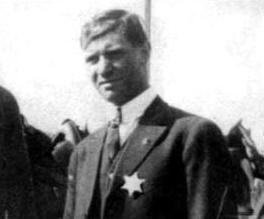
In the spring of 1914, amidst the escalating tensions of the Colorado Coalfield War, a man named Primo Larese was caught in the crossfire of a tragic event that would become a dark chapter in American labor history. On April 20th, in the small tent colony of Ludlow, Colorado, what began as a protest by striking coal miners and their families erupted into a day of horrific violence.
The miners, employed by the Colorado Fuel and Iron Company, had been on strike for months, demanding better
pay, safer working conditions, and recognition of their union. Their makeshift camp at Ludlow had become a symbol of their struggle. On that fateful April day, a confrontation between the strikers and the Colorado National Guard, supplemented by private security guards, spiraled out of control. Gunfire tore through the camp, and as chaos reigned, tents were set ablaze.
Primo Larese, identified as a bystander to the conflict, was struck by a bullet and killed. His death was one of many that day, a grim tally that included men, women, and children. The Ludlow Massacre, as it came to be known, claimed the lives of approximately 21 people in the tent colony. In the aftermath, the landscape was one of devastation and loss.
While the events of the Ludlow Massacre led to widespread outrage and a federal investigation, specific justice for the death of Primo Larese, and many of the other victims, proved elusive. In the broader scope of the conflict, numerous strikers were arrested in the months that followed, and a number of National Guardsmen faced court-martial. However, records do not point to any specific individuals being arrested for or charged with the death of Primo Larese. His life was tragically cut short in a wave of violence that targeted a community fighting for its rights, his name now etched into the history of one of the nation's most brutal labor disputes.