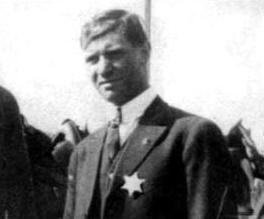
In the spring of 1914, amidst the rolling hills of Ludlow, Colorado, a violent chapter in American labor history unfolded, claiming the life of a young man named Frank Rubino. He was a male of 23 years, caught in the crossfire of a bitter dispute between striking coal miners and the powerful Colorado Fuel and Iron Company. The conflict reached its bloody zenith on April 20th, a day that would come to be known as the Ludlow Massacre.
The striking miners and their families, including
Rubino, had been evicted from their company-owned homes and were living in a makeshift tent colony. On that fateful April morning, the simmering tensions erupted into open warfare. A force comprised of the Colorado National Guard and private guards employed by the company descended upon the tent settlement. The attackers, led by individuals including a Major Hamrock and a Lieutenant Linderfelt, unleashed a barrage of machine-gun and rifle fire upon the encampment.
In the chaos that ensued, Frank Rubino was shot and killed. Accounts from that day suggest he died while defending the colony from the assault. He was one of approximately 21 people, including women and children, who lost their lives in the violence and the fires that subsequently swept through the tents. The event was widely condemned, and blame was largely cast upon the powerful industrialist John D. Rockefeller Jr., a part-owner of the mining company, for having orchestrated the brutal crackdown on the striking workers.
In the aftermath of the massacre, the narrative of justice was complex and largely one-sided. While a union organizer was later convicted for the murder of a mine guard in a separate incident, a conviction that was eventually overturned, there is no record of any of the militia members or company guards being arrested or held criminally responsible for the death of Frank Rubino or the other victims of the Ludlow Massacre. The tragic event stands as a stark reminder of a violent struggle for workers' rights, in which individuals like Frank Rubino became casualties in a conflict far larger than themselves.