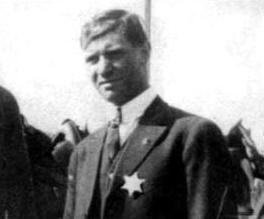
Charles Costa, a key union organizer, met his end during the violent turmoil of the Ludlow Massacre on April 20, 1914. He was a male of Sicilian descent who had toiled in the mines of southern Colorado since he was a boy of twelve. On that fateful day, amidst a heated battle between striking coal miners and the Colorado National Guard, Costa was fatally shot in the head.
His death was just one of the many that marked the tragic events at the Ludlow tent colony, where he and his family had taken refuge after being evicted from their company-owned home.
The conflict that claimed Charles Costa's life was the culmination of a long and bitter strike by coal miners against the Colorado Fuel & Iron Company. The miners and their families were living in a tent city, which on that April day, was attacked by the state militia and company guards. The ensuing violence led to the burning of the tent colony and the deaths of approximately 21 people, including women and children.
In the aftermath of the massacre, a coroner's jury implicated the militia and mine guards in starting the fire that destroyed the tents and caused the deaths of many of its inhabitants. Despite this, the individuals directly responsible for the violence and the deaths, including that of Charles Costa, were not held accountable in a way that would be recognized as a modern-day arrest and conviction of specific suspects. The event stands as a stark reminder of the intense and often brutal conflicts between labor and capital in early 20th-century America.