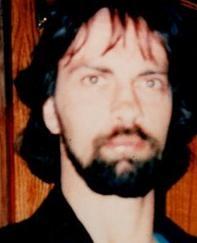
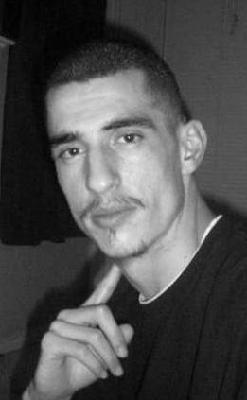
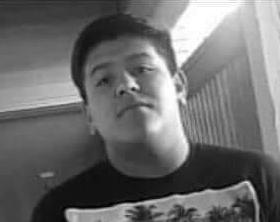
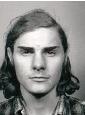
Manuel Lupito “Manny” Vigil, a 28-year-old White male, was fatally shot on February 6, 2017, in Colorado Springs, Colorado, during a violent confrontation that followed an escalating dispute over a marijuana transaction. His death left four young children without their father and devastated a family that remembered him for his devotion to his children, his love of automobiles, and his hardworking nature.
What began as a disagreement over money and drugs ultimately ended in gunfire, a homicide investigation, two arrests, and a criminal case that continued through 2018.
Born on June 23, 1988, Vigil was a lifelong resident of Colorado Springs. He worked as a landscaper and had a passion for restoring and customizing classic Chevrolet vehicles. He enjoyed attending car shows, airbrushing, skateboarding, listening to music, and spending weekends with his family. Those closest to him described someone who believed in second chances and was willing to forgive others for their mistakes. Above everything else, he took pride in being a father and spending time with his children.
On February 6, 2017, at approximately 4:50 p.m., Vigil arrived with Theran Hopke in a Ford pickup truck outside a residence in the 6300 block of La Plata Peak Drive in the Stetson Hills neighborhood of northeast Colorado Springs. The home was occupied by William Quiterio Prine, a former Fort Carson soldier, and his roommate, Matthew Houston. The encounter came after approximately ten days of increasingly hostile exchanges between the men.
According to investigators and testimony presented during subsequent court proceedings, the conflict originated with a marijuana transaction involving several thousand dollars. Prine and Houston claimed they had paid Vigil approximately $4,800 for several pounds of marijuana but later discovered that the container was weighed down with a rock or brick, leaving them with less marijuana than they believed they had purchased. The two men reportedly faced pressure from out-of-state buyers who had supplied money for the transaction.
The disagreement intensified after Vigil was robbed during another drug-related encounter. He suspected that Prine and Houston had participated in or arranged the robbery in retaliation for the earlier transaction. Investigators recovered threatening text messages that Vigil allegedly sent to the men, including messages indicating that he knew where they lived. Prosecutors later alleged that Prine had been aware of a separate plan to confront or rob Vigil to recover money or marijuana. The competing accounts became central to the legal arguments surrounding the shooting.
When Vigil and Hopke arrived at the residence that afternoon, Vigil exited the passenger side of the pickup. Prine, who was positioned inside an upstairs bedroom, opened fire with an AR-15-style rifle. Vigil was struck and managed to climb back into the truck, but authorities determined that gunfire continued as the vehicle attempted to leave. Hopke was also shot while driving away, suffering catastrophic injuries that left him paralyzed.
The wounded men managed to travel approximately two miles before the truck was located in the 6100 block of Barnes Road. Police responding to reports of the shooting discovered Vigil dead inside the vehicle. Hopke was transported to a hospital with serious injuries. The El Paso County Coroner's Office determined that Vigil had died from a gunshot wound and classified his death as a homicide.
Prine contacted emergency dispatchers following the shooting and acknowledged firing his weapon. Initially, he claimed that an armed stranger had approached his property and appeared to be preparing to burglarize his vehicle. Investigators later learned about the ongoing dispute involving Vigil, Prine, and Houston. During questioning, Prine acknowledged that the shooting was connected to the earlier drug transaction.
Officers arrested Prine and Houston in connection with Vigil's death. Prine was initially accused of first-degree murder, while Houston was arrested on suspicion of complicity to first-degree murder. Both men became the subjects of an extensive investigation involving witness testimony, threatening text messages, physical evidence, and competing allegations about what had occurred before the shooting.
As the investigation progressed, Prine's attorneys maintained that he had acted in self-defense. They argued that Vigil had arrived at the property armed with a handgun and carrying a landscaping rock. Investigators recovered both a firearm and a rock from inside the pickup truck. Vigil was also found wearing a rubber glove on one hand, a detail that became significant during testimony about his intentions when he approached the house. Hopke disputed claims that Vigil had been armed.
Prosecutors challenged the self-defense explanation, emphasizing that Prine had fired from an upstairs bedroom and continued shooting after Vigil had retreated into the pickup. They also presented evidence suggesting that the defendants had positioned weapons around their residence in anticipation of a confrontation. The prosecution argued that Prine had alternatives to using deadly force, including contacting law enforcement about the threats.
On April 26, 2017, Fourth Judicial District Judge Deborah Grohs dismissed the charges against Houston after determining that prosecutors had failed to establish sufficient evidence connecting him to a conspiracy to commit the shooting. The ruling was particularly painful for Vigil's relatives, who expressed anger and disbelief that one of the original defendants would no longer face prosecution.
The case against Prine continued. His defense attorneys sought dismissal under Colorado's homeowner protection statute, commonly called the “make my day” law. They argued that Prine was defending himself against a threatening individual approaching his residence. In November 2017, Judge Grohs rejected that argument, explaining that the law's protections did not apply because Vigil had not entered the home. However, the judge acknowledged that the evidence supporting a traditional self-defense argument was substantial.
Additional hearings addressed whether jurors could hear testimony concerning an alleged plan to rob Vigil before his death. Prosecutors argued that the evidence was important because it demonstrated that Prine was not merely an innocent homeowner suddenly confronted by an unknown attacker. The defense maintained that Prine feared for his life after receiving threats and seeing Vigil approach the residence. The court permitted evidence concerning the alleged robbery plan while also allowing the defense to introduce certain evidence relevant to its claim that Vigil posed a threat.
Rather than proceeding to a first-degree murder trial scheduled for March 12, 2018, Prine reached an agreement with prosecutors. On March 1, 2018, he pleaded guilty to manslaughter and second-degree assault. The plea agreement eliminated the possibility of a life sentence for first-degree murder and established a maximum prison exposure of 28 years. He remained eligible for a lesser sentence, including possible probation.
On April 24, 2018, Judge Grohs sentenced William Quiterio Prine to eight years in prison for his role in the shooting that killed Vigil and permanently injured Hopke. During sentencing, the judge concluded that Vigil had presented a serious threat when he arrived at the residence and that the events leading to his death involved repeated acts of retaliation. She also determined that imprisonment was appropriate rather than probation.
Prosecutors argued that Prine bore responsibility for escalating the confrontation instead of seeking assistance from police. Vigil's family urged the court to impose the maximum available sentence, emphasizing the suffering his death had caused and the children who would now grow up without their father. The eight-year sentence was substantially below the maximum permitted under the plea agreement, leaving relatives deeply dissatisfied with the outcome.
Prine maintained that he had fired because he feared for his safety, but he acknowledged during sentencing that his involvement in illegal marijuana transactions had contributed to the circumstances that resulted in the tragedy. His conviction for manslaughter and second-degree assault became the final reported criminal disposition of the shooting case, while the charges against Houston remained dismissed.
For Vigil's family, the court proceedings could not restore what had been lost. His children would grow older without his guidance, and his loved ones were left with memories of a man who enjoyed working on cars, gathering with relatives, and spending time with the people closest to him. His funeral was held on February 17, 2017, followed by burial at Evergreen Cemetery in Colorado Springs.
The death of Manuel Lupito Vigil illustrates how a prolonged dispute can escalate into irreversible violence. Although the investigation established who fired the fatal shots and resulted in a manslaughter conviction, the legal proceedings exposed sharply conflicting accounts of responsibility, threats, and self-defense. For those who loved Vigil, however, the lasting consequence was the loss of a father, son, and family member whose life ended far too soon.