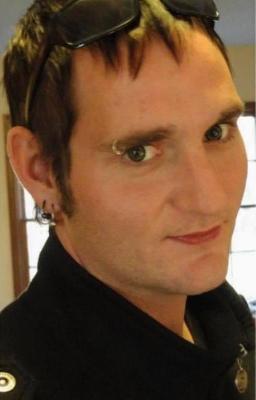
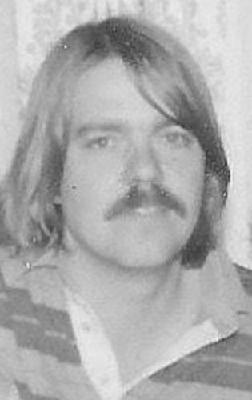
Derek William Hotsinpiller, a 24-year-old White/Caucasian man from Bridgeport, West Virginia, was serving as a Deputy United States Marshal when he was killed in the line of duty on February 16, 2011. Hotsinpiller had been with the U.S. Marshals Service for just over a year and was assigned to the Northern District of West Virginia. That morning, he joined other deputy marshals and West Virginia State Police officers at 319 Central Street in Elkins, where authorities planned to execute federal
search and arrest warrants for Charles Edward Smith. Smith was a fugitive wanted on federal charges involving possession with intent to distribute cocaine base and unlawful firearm possession.
The operation began at approximately 8:00 to 8:30 that morning. After officers breached the residence and began entering, Smith opened fire from inside the home with a shotgun. Hotsinpiller, Supervisory Deputy U.S. Marshal Alex Neville, and Deputy U.S. Marshal Wesley “Fred” Frederick were struck during the gunfire. Accounts of the confrontation describe Smith firing from behind a closed hallway door as members of the fugitive apprehension team moved into the residence. Other officers entered or returned fire while attempting to protect and remove their wounded colleagues.
Hotsinpiller suffered a devastating gunshot wound to the neck. Fellow officers began emergency lifesaving efforts, including CPR and first aid, before he was medically transported in critical condition. He was taken to Ruby Memorial Hospital in Morgantown, where he died from his injuries. Neville and Frederick survived their wounds, although both required medical treatment and Neville underwent surgery.
The confrontation ended before Charles Smith could ever be arrested or brought to trial. Officers returned fire during the attack, fatally wounding him inside the residence. West Virginia State Police later reported that Sergeant Greg Stalnaker returned fire during the confrontation and that additional firearms were available to Smith inside the home. Because Smith died during the shootout, there was no criminal prosecution of him for Hotsinpiller's killing. Federal authorities nevertheless continued investigating the circumstances that had allowed Smith to remain a fugitive and the actions of people who had allegedly assisted him before the deadly warrant operation.
That investigation produced significant arrests two months later. On April 19, 2011, federal authorities arrested Sherry Lou Smith, Anthony Lambert, and Cassandra Smith after a federal grand jury returned a 14-count indictment. Prosecutors alleged that the three had helped Charles Smith evade the U.S. Marshals Service from March 2010 until the day Hotsinpiller was killed. The indictment included allegations of conspiracy to obstruct justice, obstruction of justice, making false statements to federal investigators, assisting a fugitive, firearms-related offenses and efforts to obstruct the investigation that followed the shooting. Sherry Smith was also accused of falsely representing herself as the purchaser of a Mossberg 12-gauge shotgun in 2007 and of possessing a machine gun described by prosecutors as a United States government rifle.
Federal prosecutors alleged that the defendants repeatedly misled authorities while marshals were trying to locate Charles Smith. Sherry Smith was accused of telling a deputy marshal in March 2010 that Charles did not live with her and had gone to Indiana, despite allegedly knowing he was living with her. The indictment also alleged that Sherry Smith, Lambert and Cassandra Smith helped conceal the fugitive and prevent his apprehension. Investigators further accused them of providing false or misleading information after the February shooting as federal authorities examined Hotsinpiller's death, the wounding of the other marshals, the firearms found in connection with the case and the assistance that had been provided to Charles Smith.
The case ultimately ended in guilty pleas rather than trials on the entire indictment. Anthony Lambert pleaded guilty in August 2011 to making false and fraudulent statements to law enforcement. Sherry Smith, later known as Sherry White, pleaded guilty in September to making false statements to a deputy U.S. marshal concerning Charles Smith's whereabouts. Cassandra Smith pleaded guilty in October to knowingly making false, fraudulent and fictitious statements to ATF and FBI agents on the day of the shooting. The guilty pleas focused on the defendants' lies to investigators rather than charging them as Hotsinpiller's killers.
Sentencing took place on May 3, 2012. Sherry Smith received five years in federal prison, followed by three years of supervised release. Anthony Lambert was sentenced to five months in prison followed by five months of supervised release to be served in community confinement. Cassandra Smith received six months of probation to be served in community confinement and was ordered to complete 100 hours of community service. Victim-impact statements were presented during the sentencing proceedings by Supervisory Deputy Marshal Alex Neville and Hotsinpiller's brother, Dustin Hotsinpiller. Federal prosecutors described the sentencing as the conclusion of the defendants' court proceedings arising from their efforts to hide Charles Smith and mislead law enforcement.
Hotsinpiller's killing therefore resulted in two separate but connected outcomes. Charles Smith, identified by authorities as the gunman who opened fire on the warrant team, was killed by officers during the attack and never faced arrest or prosecution for the shooting. The subsequent federal case focused instead on those accused of helping Smith remain hidden and then lying to investigators. Their guilty pleas and sentences provided a measure of legal accountability for the concealment and deception surrounding the fugitive whose attempted arrest ended with Hotsinpiller's death and the wounding of two fellow deputy marshals.