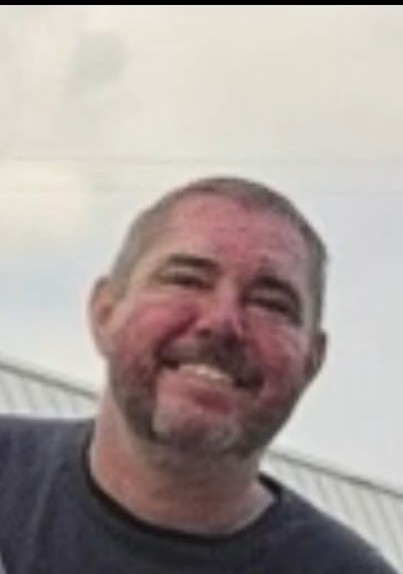
Winston Thomas, a 47-year-old Black/African American man, was fatally shot on the morning of December 17, 2014, outside his home on Hunt Avenue on Charleston’s West Side. The shooting erupted at about 10:20 a.m. near the intersection of Hunt and Central avenues. A man working nearby described hearing a rapid series of shots and estimated that dozens of rounds may have been fired. Thomas suffered multiple gunshot wounds and collapsed on the porch of his residence.
Police later said he died there from his injuries. The violence was intense enough that nearby Mary C. Snow Elementary School and Stonewall Jackson Middle School were temporarily placed on lockdown while officers searched the neighborhood for the gunman.
In the immediate aftermath, investigators had little publicly confirmed information about who had opened fire. Officers canvassed the area, interviewed witnesses and reviewed surveillance cameras from nearby businesses in an effort to identify vehicles or people connected to the shooting. Police believed individuals who had witnessed what happened had left before officers arrived. Later information from prosecutors revealed that Thomas had managed to call Kanawha Metro 911 after being shot and died while he was still on the telephone with dispatchers.
The investigation quickly focused on a confrontation connected to what authorities described as a marijuana transaction. Police said a man known by the nickname “Gypsy” and two other people went to Thomas’ residence intending to conduct a drug deal. An early arrest report identified the accused gunman as Steven “Gypsy” John of Charleston, while subsequent court reporting identified the defendant as Ricky Steve “Gypsy” John. According to prosecutors, Tommissina Brooks went into Thomas’ home first. John later came to the door and entered, and an altercation began inside the residence. The fight eventually moved outside, where the confrontation escalated into gunfire. Bradford Fisher and Brooks were identified as people who supplied investigators with information about the events surrounding the shooting. Fisher and Brooks reportedly told police that John returned to their vehicle with blood on his hands before the group fled.
Police arrested John on the evening of December 18, roughly a day after the killing. The initial report said he was charged with first- and second-degree murder. As the prosecution developed, he faced a first-degree murder charge along with a drug-related charge. Brooks also became a defendant in the case and was indicted on a murder charge. Her murder charge was later dismissed after she agreed to cooperate with prosecutors against John. She pleaded guilty instead to conspiracy to deliver a controlled substance, with her sentencing postponed while John’s prosecution remained unresolved.
By January 2016, John’s attorneys and prosecutors had spent months trying to negotiate a plea agreement. John appeared before Kanawha Circuit Judge Carrie Webster for what had been expected to be a plea hearing, but the agreement was not completed. His attorney told the court the two sides had come close to reaching a deal, but John elected to proceed toward trial instead. At that point he was scheduled to stand trial on the murder and drug charges, with Brooks expected to cooperate with the state’s case.
The murder prosecution ultimately did not end with a first-degree murder conviction. Later federal court information concerning John’s criminal history establishes that Ricky Steve John was convicted of voluntary manslaughter in Kanawha County Circuit Court on July 21, 2016. That conviction stemmed from the state prosecution that followed Thomas’ killing, marking the final reduction from the original murder allegations to manslaughter. Publicly accessible sources located for the case confirm the manslaughter conviction and its date but do not clearly provide the sentence imposed for that 2016 conviction. Years later, the conviction continued to have legal consequences for John: federal authorities cited it when he was prosecuted as a convicted felon for possessing a firearm in 2024.