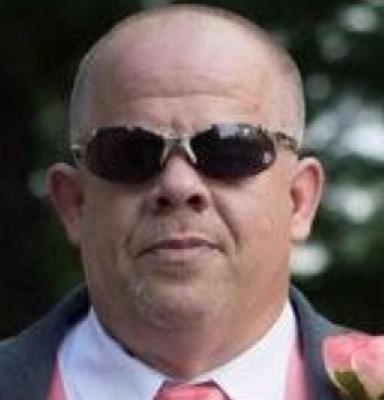
Jamaine Sutton, a 32-year-old Black/African American man from Dunbar, West Virginia, was killed during a chaotic outbreak of gunfire at the Boondocks Bar and Grill on Washington Street West in Charleston during the early morning hours of May 14, 2016. Police were called to the establishment shortly after 2 a.m. What initially emerged as a report of several people being shot soon developed into a homicide investigation after Sutton was pronounced dead at the scene.
Three other people were wounded but survived. Investigators later described the scene as an unusually violent shootout in which numerous weapons were fired inside and around a crowded bar.
The violence apparently did not begin as an isolated confrontation inside Boondocks. Charleston police said two groups had been involved in an altercation at another gathering earlier in the night and that members of those groups later ended up at the bar. Boondocks was crowded, with contemporary accounts describing dozens of patrons inside when the gunfire erupted. Surveillance footage showed people suddenly dropping to the floor as muzzle flashes appeared from different parts of the building. Police concluded that more than one person had been shooting, and investigators recovered numerous firearms in and around the establishment, some reportedly stained with blood. Prosecutors later said more than 40 shots were fired during the episode. Police did not believe the incident was gang-related, and investigators never publicly established that Sutton had specifically been targeted.
Sutton suffered five gunshot wounds. During later court proceedings, Kanawha County Assistant Prosecutor Fred Giggenbach said wounds to Sutton's head, shoulder and back were each potentially fatal on their own. The weapon that fired the fatal shots was never recovered. Although investigators had surveillance footage, prosecutors later acknowledged that the bar was so dark that the recording was difficult to interpret, and there was no DNA or fingerprint evidence directly establishing who fired the fatal weapon. The case therefore depended heavily upon eyewitness accounts, the video evidence and the circumstances surrounding the many shots fired that night.
Police quickly began identifying people believed to have fired weapons during the shootout. Donnell "Pops A Lot" Strong was one of the first publicly named. Investigators said surveillance footage showed Strong pulling a handgun from his waistband and firing toward the ceiling as he attempted to leave the bar. Warrants were issued charging him with wanton endangerment and unlawful firearm possession based on his status as a convicted felon. Strong did not appear for a scheduled arraignment after being indicted, resulting in another arrest warrant. He remained a fugitive for nearly five years before U.S. marshals arrested him in Charlotte, North Carolina, on April 20, 2021. The available reporting identifies Strong as a participant in the gunfire but does not indicate that he was charged with Sutton's killing itself.
The homicide investigation increasingly focused on Jaques Lamar Slade of Gastonia, North Carolina, whose first name was also rendered as Jacques in several contemporary reports. On May 21, 2016, one week after Sutton's death, Charleston police arrested Slade during a SWAT operation in the 1600 block of Clay Avenue. He was arraigned on a first-degree murder charge. Police said two people who had been inside Boondocks identified Slade as the person who shot Sutton and that surveillance footage supported their accounts. Slade was eventually held on a $250,000 cash-only bond while awaiting trial.
The murder charge ultimately did not proceed to a jury trial. On February 16, 2017, Slade pleaded guilty to voluntary manslaughter in Sutton's death and to being a felon in possession of a firearm. Prosecutors acknowledged that they had never recovered the murder weapon, but an eyewitness had identified Slade as the shooter. During his plea proceedings, Slade admitted firing a gun during the confrontation but maintained that he had not been aiming at Sutton and said he did not know him. His plea resolved the murder prosecution without the uncertainty of a trial over which of the numerous gunmen had fired the fatal rounds.
Another participant, Nathaniel Williams, was both a shooting victim and a defendant arising from the incident. Williams suffered multiple gunshot wounds but survived. He later admitted firing two shots outside the bar, saying he was trying to get vehicles and people to move so he could reach a hospital. He pleaded guilty to wanton endangerment. On March 10, 2017, Kanawha Circuit Judge Duke Bloom rejected a recommendation that Williams receive only time served and sentenced him to two years in prison, criticizing the decision to discharge a firearm after the immediate danger had passed. Williams was not convicted of causing Sutton's death.
Slade returned to court for sentencing on March 23, 2017. Sutton's brother, Jerome Sutton, addressed the court about the loss his family had suffered, including the effect of the killing on Sutton's daughter. He described his brother as well liked and acknowledged that he did not believe Slade had gone to the bar intending to kill him, but emphasized that the decision to fire a weapon in the crowded establishment had permanently changed their family. Judge Bloom imposed the maximum sentence available under the plea: 15 years for voluntary manslaughter and another five years for being a felon in possession of a firearm. The sentences were ordered to run consecutively, giving Slade a total prison term of 20 years.
What began as a confrontation between groups of people became a sprawling burst of gunfire involving numerous weapons and several shooters, making the investigation unusually complicated. Sutton was the only person killed, while several others were wounded and multiple defendants ultimately faced consequences for their actions that night. Slade's guilty plea to voluntary manslaughter provided the formal criminal resolution of Sutton's death, while Williams was separately imprisoned for wanton endangerment and Strong was eventually captured years after warrants were issued for firearm-related charges connected to the same shooting.