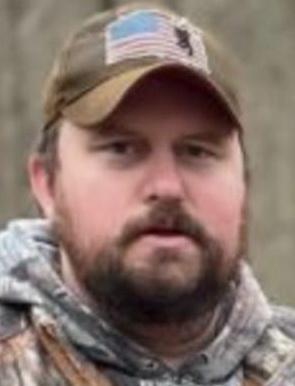
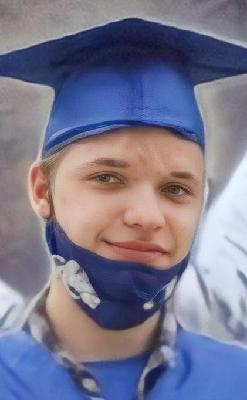
Dylan Taylor Bailey, a 20-year-old White male from the Charleston, West Virginia, area, was fatally shot during the early morning hours of September 21, 2016, at Oakes Field in South Charleston. The confrontation occurred on the football field at roughly 2 a.m. and began as a planned fight involving Bailey and De’Anthony Akeem Thornabar, who was 21 and also lived in South Charleston. Investigators later said the dispute was connected to a woman.
What began as a fistfight escalated into gunfire, leaving Bailey critically wounded.
According to prosecutors and police accounts, Bailey and Thornabar fought physically, and Thornabar later acknowledged that Bailey had gotten the better of him during the altercation. Prosecutors said that after the fight was effectively over, Bailey began walking away. At that point, Robert Earl Ruffin, who was 17 at the time and had accompanied Thornabar to Oakes Field, allegedly produced a. 40-caliber Smith & Wesson semiautomatic handgun from a bag and gave it to Thornabar. Thornabar then shot Bailey in the back. Bailey was transported to a hospital but died from his injuries later that morning.
Police encountered Thornabar at or near the scene and took him into custody. He was initially charged with malicious wounding and wanton endangerment while Bailey was still alive. After Bailey died, authorities upgraded the case to murder. The investigation eventually expanded to Ruffin because prosecutors believed he had supplied the firearm used in the killing and had assisted Thornabar during the fatal confrontation. Both Thornabar and Ruffin were ultimately indicted in connection with Bailey’s death, with Ruffin’s case moved into adult court despite his being a juvenile when the shooting occurred.
The case against Thornabar did not proceed to a murder trial. In July 2017, he appeared in Kanawha County Circuit Court and pleaded guilty to second-degree murder. During the hearing, Thornabar admitted that he had fought Bailey and then used a firearm against him. Prosecutors presented a more detailed account, maintaining that Bailey had already disengaged and was walking away when Thornabar obtained the gun from Ruffin and fired into Bailey’s back. Thornabar’s guilty plea resolved the principal murder charge against him.
In January 2018, Thornabar was sentenced to 40 years in prison for second-degree murder. The sentence followed delays in the sentencing process after his plea, including court consideration of a psychological evaluation. The prison term represented the principal punishment imposed for Bailey’s killing and formally concluded Thornabar’s criminal case at the trial-court level.
Ruffin also faced prosecution for his role in the shooting. Authorities accused him of bringing or possessing the handgun and handing it to Thornabar after the fight, enabling the fatal shot. Ruffin ultimately entered a plea to voluntary manslaughter rather than proceeding to trial on the original murder allegations. In November 2017, he was sentenced to five years in prison. His conviction reflected prosecutors’ position that although Thornabar fired the shot that killed Bailey, Ruffin materially contributed to the homicide by supplying the weapon at the critical moment.
In the days after the killing, Bailey’s relatives, friends and girlfriend gathered at Oakes Field for a candlelight vigil. Those close to him remembered him as someone who enjoyed football, especially Ohio State, followed the Chicago Bulls and liked making people laugh. Red balloons and candles were placed at the field where the confrontation had taken place only days earlier. The criminal investigation and subsequent prosecutions ultimately resulted in convictions for both men authorities said were responsible for the chain of events that ended with Bailey being shot as he walked away: Thornabar for second-degree murder and Ruffin for voluntary manslaughter.