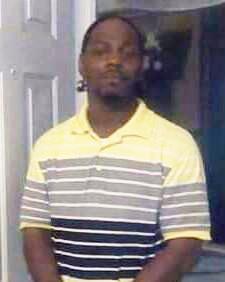
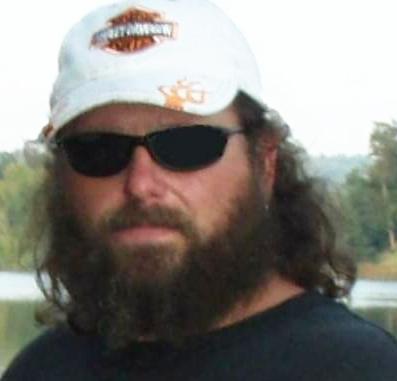
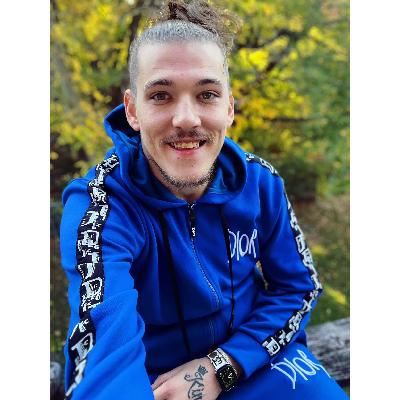
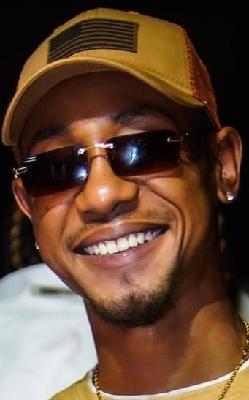
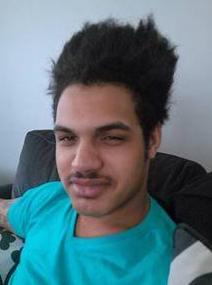
Tymel McKinney was an 18-year-old Black/African American male whose life was taken by gunfire on April 23, 2014, outside his home on Sixth Street on Charleston’s West Side. McKinney was sitting on the front porch, reportedly eating pizza with a friend, when he was shot multiple times. The attack unfolded late in the evening and was quickly treated by Charleston police as a homicide connected to escalating gang-related violence in the area.
Investigators came to believe the shooting was not a spontaneous confrontation. Police described it as a retaliation killing or gang-ordered “hit” involving people connected to Detroit. According to reporting based on the criminal investigation, Darrell Emmett “D.J.” Carter told detectives that he had received orders from a superior in the Sex-Money-Murder gang, which authorities described as affiliated with Detroit’s 7 Mile Bloods. The purported reason was that McKinney had somehow “disrespected” the gang.
At the same time, authorities said McKinney had no criminal record and no known connection to a gang. In later accounts, Charleston detectives characterized him as an innocent victim caught up in senseless gang violence rather than someone actively involved in gang activity.
Police identified three people as participants in the killing: Carter, Mark Gaddy of Detroit, and Naquil Sayles. Carter was accused of being the person who fired the shots. Prosecutors said Gaddy accompanied Carter and was armed; although Gaddy did not fire the fatal shots, prosecutors later said he pointed a gun at McKinney during the attack. Sayles was identified as the driver of the getaway vehicle. All three initially faced serious criminal allegations as investigators pieced together what happened before, during and immediately after the shooting.
Carter was arrested on a first-degree murder charge. The investigation surrounding him expanded almost immediately. While police were questioning Carter about McKinney’s killing, authorities said they learned of a separate alleged murder-for-hire plot targeting Charleston Police Lt. Steve Cooper, the department’s chief of detectives. Police said Carter had offered two people $15,000 to kill Cooper and consequently charged Carter with solicitation to commit murder in addition to the charge arising from McKinney’s death. Police Chief Brent Webster said investigators took the alleged threat extremely seriously and provided security for Cooper’s family.
Sayles eventually reached an agreement with prosecutors rather than face a murder prosecution. He pleaded guilty to being an accessory after the murder and to fleeing, with the murder charge being dropped as part of the arrangement. Prosecutors identified him as the person who drove Carter and Gaddy away from the scene. Sayles also agreed to testify against the other defendants. In August 2014, Kanawha County Circuit Judge Duke Bloom sentenced him to a prison term that could extend to 10 years; subsequent court reporting described the effective sentence as requiring at least six years behind bars. Because Sayles had been a juvenile when the crime occurred, his sentence was subject to reconsideration once he reached adulthood, although a later request for reconsideration was denied.
Carter and Gaddy were indicted by a Kanawha County grand jury on murder charges in July 2014. Both initially pleaded not guilty, and the case was placed on a trial schedule. Gaddy at first rejected an offer under which he could plead to second-degree murder with prosecutors recommending a 20-year sentence. With a first-degree murder prosecution still hanging over him, however, Gaddy ultimately changed course. On September 24, he entered what was described as a Kennedy plea to second-degree murder, allowing him to accept the conviction without expressly admitting the prosecution’s version of events. As part of the case against Carter, Gaddy was prepared to testify about the shooting.
The prospect of that testimony helped bring the prosecution of the alleged gunman to an end without a jury trial. On September 26, 2014, Carter pleaded guilty to first-degree murder. Judge Bloom sentenced him to life imprisonment with mercy, which made him eligible to seek parole after serving 15 years rather than requiring him to spend the remainder of his life in prison without the possibility of release. One of the most striking moments of the proceeding came from McKinney’s mother, Deanna McKinney, who asked the judge to grant Carter mercy. Judge Bloom said her position influenced his decision. Later reporting identified Carter as serving his life sentence at Mount Olive Correctional Center.
Gaddy returned to court for sentencing in November. Although prosecutors had agreed to recommend a 20-year sentence in exchange for his second-degree murder plea and cooperation, Judge Bloom was not bound by that recommendation. The judge said he believed Gaddy had shown no remorse and imposed a 30-year prison sentence instead. Gaddy’s defense sought permission to withdraw the plea after the harsher sentence was announced, but the request was denied. Prosecutors reiterated that Gaddy had been armed and had pointed his weapon at McKinney even though Carter was identified as the person who actually fired.
The killing left a lasting mark on McKinney’s family and Charleston’s West Side. His mother transformed much of her grief into anti-violence work, speaking publicly about guns, gangs and the effect of street violence on families. She helped organize marches and began holding community block parties near the Sixth Street home where the shooting occurred, using the gatherings to remember McKinney while encouraging stronger relationships among neighborhood residents, children and police.
Ultimately, the investigation produced criminal convictions against all three people authorities said participated in the attack. Carter accepted responsibility for first-degree murder and received life with the possibility of parole; Gaddy was convicted of second-degree murder and received 30 years; and Sayles pleaded guilty to accessory and fleeing charges for driving the getaway vehicle. What police initially investigated as another eruption of West Side gunfire developed into a case they described as an ordered gang retaliation, despite investigators finding no criminal record or known gang involvement on McKinney’s part.