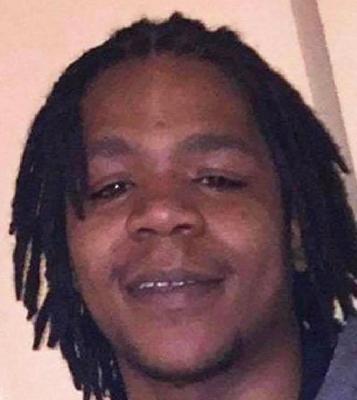
Vincente Avila, aged 23, was fatally shot on February 13, 2016, in the West Lawn neighborhood of Chicago. The incident took place during a challenging year for Chicago, which saw a surge in homicides. This period marked one of the deadliest years in recent history for the city, with an alarming rise in violent incidents, reflecting an increase in the number of gun-related homicides across neighborhoods like West Lawn.
The increase in crime in 2016 was part of a broader trend that significantly affected communities already struggling with socio-economic challenges.
The details surrounding Avila's death point to the broader issues of urban violence and systemic factors contributing to the uptick in crime during that period. The neighborhood in which the shooting occurred was one of several areas impacted heavily by gun violence, where issues such as gang activity, poverty, and insufficient community resources compounded the risks for residents. Avila's death added to the grim statistics, highlighting the ongoing challenges faced by city officials and law enforcement in trying to control the rising number of violent incidents.
According to data from the Chicago Police Department, incidents like the one involving Vincente Avila were becoming more frequent during this period, putting pressure on law enforcement and community organizations to come up with viable solutions. The homicide data from 2016 indicates a surge not only in the number of incidents but also in the intensity of the violence, with communities experiencing the brunt of these tragedies calling for more effective intervention strategies to ensure safety. The tragic loss of Vincente Avila underscores the urgent need for both immediate and long-term measures to address violence and provide support to at-risk communities in Chicago.