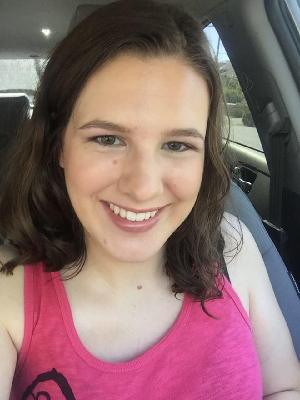
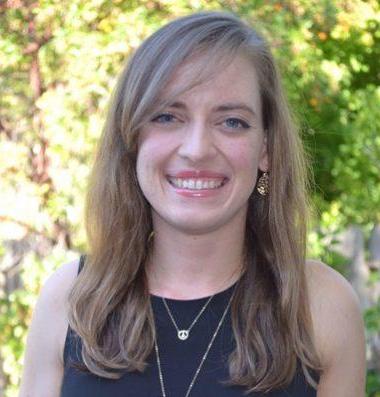
On the evening of May 12, 1986, Lisa Strong, a 25-year-old White female and talented artist, was walking home from her job in Salt Lake City, Utah. Her path took her near the intersection of Kensington Avenue and 800 East, a journey that tragically would be her last. Unbeknownst to her, danger lurked in the quiet neighborhood. As she walked, likely listening to music on her headphones, she was brutally attacked and shot multiple times.
One of the bullets fatally struck her in the head, ending the life of the Weber State College graduate whose artwork had already been exhibited locally.
The investigation into Lisa's murder quickly revealed a chilling connection to two other recent homicides in the area. Ballistic testing confirmed that the. 38-caliber revolver used to kill Lisa was the same weapon used in the murders of 18-year-old Christine Gallegos on May 15, 1985, and 20-year-old Carla Maxwell on April 25, 1986. This discovery pointed to the terrifying possibility of a serial killer preying on young women in northern Utah. A multi-agency task force was formed to investigate the string of slayings, but for years, the case grew cold, leaving the families of the victims in a painful state of limbo.
For nearly a decade, there were no arrests in Lisa's case. However, a renewed investigation and the convening of a Salt Lake County grand jury in March 1995 brought a significant breakthrough. The grand jury indicted 28-year-old Forrest Lee Whittle for Lisa Strong's murder. At the time of the indictment, Whittle was already incarcerated for a 1987 rape and robbery. The case against Whittle was built on the testimony of several witnesses who claimed he had confessed to the crime. One witness, Tina Schroyer, who lived across the street from the murder scene, told investigators that Whittle was at her home on the night of the killing and that she saw him run by after the shooting. She also testified that Whittle had threatened her, saying he would "do me like he did Strong." Another witness stated that Whittle had callously remarked that he wanted to see if his new gun worked and that it was "funny because she didn't even hear what was going on, she was wearing headphones."
In August 1996, a jury found Forrest Whittle guilty of the murder of Lisa Strong, and he was sentenced to an additional five years to life in prison. Despite his conviction, Whittle has maintained his innocence. While ballistic evidence linked the same firearm to the murders of Christine Gallegos and Carla Maxwell, Whittle was never charged in connection with their deaths, and their cases officially remain unsolved. The investigation into these interconnected tragedies was not without controversy, with some, including an attorney for the victims' families, alleging a "botched police investigation" and a "classic cover-up." Three police officers who conducted their own parallel investigation, contrary to department protocol, were fired, though their efforts ultimately pointed toward Whittle's guilt.