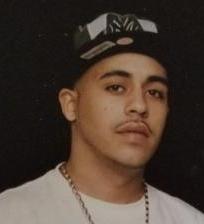
On the cold and rainy evening of November 20, 1998, James Spignesi, a 45-year-old male Conservation Officer, was on patrol in a field off Pudding Hill Road in Scotland, Connecticut. A dedicated officer with the Department of Environmental Protection, Spignesi and his partner, Officer Anthony Rose, were investigating reports of illegal deer hunting in the area, a task that was routine yet carried inherent risks.
The hunting hours had already concluded for the day, and the officers were searching for a poacher. As they moved through the field, a single, powerful shot from a rifle pierced the evening air, striking Spignesi in the chest.
Officer Rose reacted swiftly, apprehending a suspect at the scene before turning his attention to his fallen partner and attempting to render first aid. Despite these efforts, James Spignesi was rushed to a nearby hospital where he was pronounced dead a short time later. His death marked a tragic milestone as the first time a conservation officer was fatally shot in the line of duty in the 131-year history of Connecticut's conservation law enforcement. Spignesi was a respected veteran of the department, having started his career as a wildlife biologist before becoming a conservation officer in 1991.
The individual taken into custody was identified as Kevin O'Connell, an off-duty state corrections officer from Thompson. O'Connell, who had a valid hunting permit, admitted to firing the shot that killed Officer Spignesi. However, he maintained that it was a tragic accident. During his trial, O'Connell testified that he had seen what he believed to be a deer through his rifle's scope and fired, never seeing Officer Spignesi, who was wearing camouflage.
O'Connell was subsequently arrested and charged with second-degree manslaughter with a firearm and criminally negligent homicide. The case went to trial, where the prosecution argued that O'Connell's actions were reckless. Conversely, the defense portrayed the event as a devastating hunting accident that should not have been treated as a criminal matter. Ultimately, a Superior Court jury acquitted Kevin O'Connell of all charges. Following the verdict, a remorseful O'Connell expressed his deep sorrow and offered an apology to the Spignesi family, stating that he had wanted to do so immediately after the incident but was advised against it.