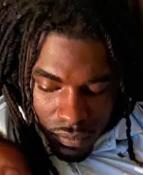
On a summer evening in New Haven, Connecticut, the life of a 25-year-old Black man, Tyrese Jones, was tragically cut short. On August 1, 2014, Jones and another man, age 26, were walking near the intersection of Kensington and Chapel streets when they were ambushed. A gunman approached them and opened fire, striking both men. Police received several 911 calls at approximately 9:47 p.m. reporting the shooting. When officers arrived, they found Jones and his companion with gunshot wounds.
Both were rushed to Yale-New Haven Hospital, where, despite the efforts of medical staff, Tyrese Jones succumbed to his injuries shortly after midnight. The other man sustained multiple gunshot wounds but survived.
The New Haven Police Department immediately launched an investigation into the city's eighth homicide of the year. Detectives from the Major Crimes Division worked with beat officers from the Dwight/Kensington neighborhood, who quickly detained witnesses and gathered valuable street intelligence. Witnesses described the shooter as a dark-complexioned male who fled the scene in a car. The community's cooperation proved crucial, and within a week, police had identified a suspect. On August 8, 2014, the department announced the arrest of 19-year-old Errol Godfrey-Hill. He was already in custody, having been arrested on August 3rd for carrying a handgun without a permit. Godfrey-Hill was charged with murder, first-degree assault, and several other related charges for the attack on Jones and the other victim.
The legal proceedings against Errol Godfrey-Hill culminated in a trial two years later. In October 2016, a jury found him guilty of murder and first-degree assault. During the trial, a witness testified to seeing Godfrey-Hill put a gun to Jones' head and fire. However, the state's chief medical examiner testified that Jones had two gunshot entrance wounds in his back. The surviving victim also testified that he was shot from behind and did not see the shooter. The defense argued there was no evidence that Godfrey-Hill knew the victims.
In December 2016, a judge sentenced Errol Godfrey-Hill, then 22, to a total of 80 years in prison for what he termed a "calculated execution." He received 60 years for the murder of Tyrese Jones and a consecutive 20 years for the first-degree assault of the second victim. At the sentencing, Jones's mother spoke of the family's enduring grief. Godfrey-Hill's family maintained his innocence. The conviction and lengthy sentence brought a measure of closure to the violent end of a young man's life.