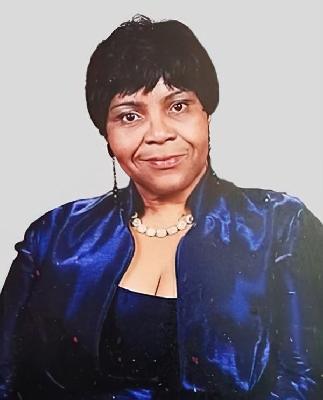
Linda Sue Helton, 45, female, lived a quiet life in Prescott, Arkansas, navigating the world with an intellectual disability and a close bond to her mother, Esther. On January 6, 1986, that relationship ended in a single gunshot inside their home, a sudden violence that shattered a small-town routine and drew swift attention from local authorities. Records from disability-rights memorials and public remembrance sites fix the date and place of her death and describe the shooting as the cause.
In the aftermath, investigators identified a single suspect very close to Linda: her mother. Esther Helton told authorities the killing was a “mercy” act, language that has followed the case in later compilations and memorial pages. She was charged with murder, a formal step that underscored prosecutors’ view that Linda’s life—regardless of disability—was taken by a criminal act rather than an act of compassion. Contemporary summaries preserve those details but do not publicly document a final court outcome, leaving the resolution of the charge unclear in accessible sources.
The portrait that remains of Linda is sparse but steady: a woman whose life is marked in stone and on lists of the dead, and whose grave at De Ann Cemetery in Prescott anchors the few publicly available facts to a place, a birthdate—July 29, 1940—and the winter day she died. The entries that remember her are brief, yet they agree on the essentials: the date, the town, the gunshot, and the mother who faced charges for it. Beyond those bare points, the silence of the record is its own kind of testament, a reminder that the contours of Linda’s life were broader than the tragedy that fixed her name in public memory.