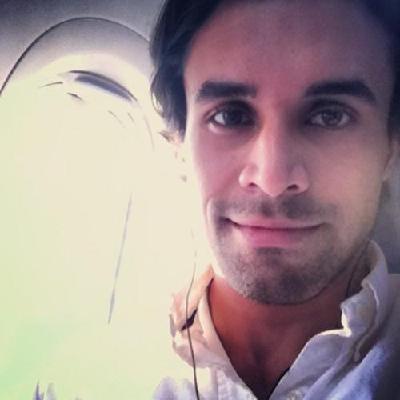
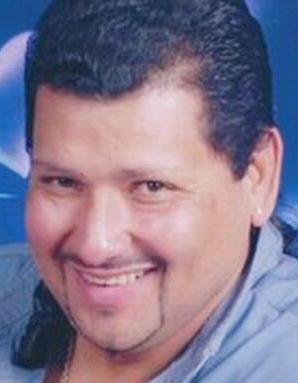
Lindsey R. Anderson, aged 38, was fatally shot on October 30, 2016, in Chicago, Illinois. The incident took place in the early morning hours and was part of a broader trend of violence that affected Chicago in 2016, a year marked by a surge in homicides and shootings in several parts of the city. Anderson was pronounced dead after sustaining multiple gunshot wounds. The crime occurred in the West Side area, which has historically faced challenges related to gang activity and violent crime.
The Chicago Police Department and other local agencies were working to address the increasing rates of gun violence during that time, but Anderson's death, like many others, highlighted the difficulties in curbing this trend. The city's neighborhoods were struggling with high crime rates driven by complex factors, including poverty, gang conflicts, and insufficient community resources. Despite efforts aimed at prevention and community engagement, incidents like the one that took Anderson’s life continued to underscore the need for more comprehensive and effective violence reduction strategies.
Lindsey Anderson’s death was one of many that contributed to the city's alarming homicide numbers that year. Community members and advocates called for a greater focus on intervention programs, outreach, and increased cooperation between law enforcement and local residents to prevent further loss of life. Anderson's case is a poignant reminder of the urgent need for change to ensure safety and peace in Chicago's most vulnerable neighborhoods.