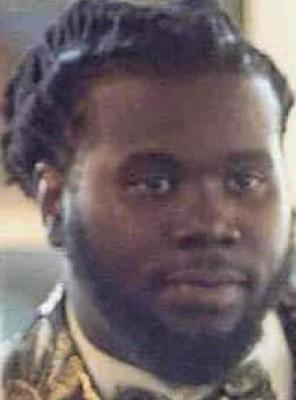
Shamari Salter, a 19-year-old African American male, was tragically killed on May 13, 2015, in Chicago, IL. The incident occurred in the Roseland neighborhood, where Shamari was sitting in a parked car with two other 19-year-olds around 8 p.m. Another vehicle pulled up alongside them, and someone inside opened fire. Shamari was shot in the head and pronounced dead at the scene.
This devastating event marked the second time Shamari's mother, Stephanie Franklin, lost a son to gun violence within a year. Shamari had recently graduated from high school and was preparing for prom, highlighting the abrupt and tragic end to a young life full of potential.
The shooting also claimed the life of Terrance Canady, another 19-year-old African American male, who was shot in the head and abdomen and later died at Advocate Christ Medical Center in Oak Lawn. A third 19-year-old male, whose identity was not disclosed, was critically wounded after being shot in the chest and was taken to Christ Medical Center. The senseless violence left the community in shock and mourning, with Shamari's family pleading for justice and urging anyone with information to come forward.
Despite the severity of the crime, no arrests were made immediately following the incident. Witnesses reported seeing two men drive off after the shooting, but the suspects remained at large. The lack of arrests and the ongoing investigation added to the family's anguish, as they struggled to cope with the loss of yet another loved one to gun violence. Shamari's grandmother, Lorraine Franklin Hemphill, expressed her frustration and sorrow, calling for the perpetrators to be brought to justice and highlighting the broader issue of violence in their community.
The case of Shamari Salter's murder underscores the pervasive and tragic impact of gun violence in Chicago, particularly in neighborhoods like Roseland. The ongoing investigation and the family's calls for justice reflect the broader challenges faced by many families affected by similar tragedies. The community's response and the efforts to bring the perpetrators to justice continue to be a critical part of addressing and hopefully reducing such violence in the future.