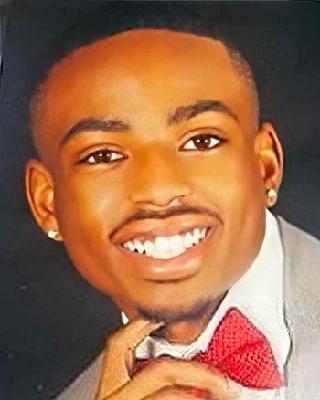
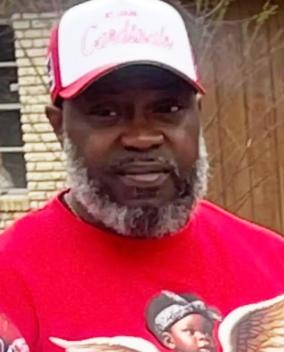
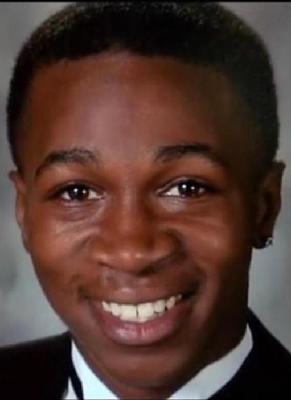
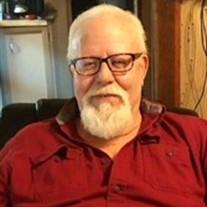
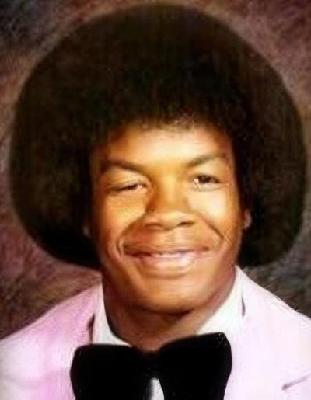
Jaylyn McMurrian, a 25-year-old Black / African American male from El Dorado, Arkansas, was known to those around him as “MAC” or “J Boogie,” nicknames that captured his loud laugh, easy charm, and the way he could light up a room just by walking into it. He grew up rooted in his hometown and in his church, joining Zion Watch Baptist Church at an early age and serving in the puppet ministry, children’s choir, and usher ministry.
His life was closely woven into the fabric of El Dorado, where family, faith, and community shaped the young man he became.
As a teenager at El Dorado High School, Jaylyn made his mark on the varsity basketball team, earning a reputation as both a competitor on the court and a jokester who could keep teammates smiling through long practices and hard losses. After graduating in 2014, he stepped into adulthood determined to provide for the people he loved most. He became a devoted father and worked wherever opportunity presented itself: industrial jobs, retail, food service, and other roles that demanded long hours and flexibility. Those who later wrote about his life remembered how he brought “the fun” everywhere he went, dancing, joking, and flashing an “ear to ear” grin that people could still picture long after he was gone.
In time, Jaylyn chose to follow a family legacy by earning his commercial driver’s license and moving into truck driving, the same path his father and grandfather had taken before him. It was steady work that took him beyond the city limits but never truly away from home; no matter how far the road stretched, he made time to circle back to El Dorado, to his children, his relatives, his “special friend,” and the friends who knew him not just as a driver or co-worker but as the person who kept gatherings alive with music, movement, and laughter. Community tributes and memorial pages describe him as a cherished son and grandson, a loving father to his children, and a loyal friend whose presence turned ordinary days into memories.
On July 4, 2022, while the city marked Independence Day, gunfire on the 1100 block of East Hillsboro Street in El Dorado ended Jaylyn’s life and folded his name into national lists of people lost to gun violence. Online memorials remember him simply as someone “lost to gun violence” on that date in his hometown, with case summaries classifying his death as a “death by force” and placing him among other homicide victims from the same city and region. The raw fact of the date and the manner of death stands in stark contrast to the colorful, busy, joy-filled life described in his obituary and memorial pages, emphasizing how abruptly and violently that life was taken.
In the immediate aftermath, local law enforcement opened an investigation into the deadly July 4 shooting, and regional news outlets reported that police were looking into the circumstances of his killing. National gun-violence databases logged the incident, noting the location and date, and victim-advocacy and case-tracking sites later gathered those scattered references into a single profile bearing his name. Yet even as months turned into years, publicly accessible records remained thin. A detailed case summary updated in October 2025 notes that there are no publicly available online sources that describe the full circumstances of Jaylyn’s death, no official account of the precise cause beyond gun violence, and no reports naming suspects or documenting arrests in connection with the shooting.
Because of that silence, Jaylyn’s story online is weighted more heavily toward who he was than what happened to him: a beloved son and grandson, a father whose children now grow up with memories and stories instead of his living presence, a friend whose nicknames and jokes are repeated at gatherings where his absence is still felt. Obituary pages, memorial sites, and case-tracking profiles keep his photo and his name visible, inviting people to light virtual candles, share memories, or come forward with information. They describe a young man remembered for his high energy, dancing, and bright smile, and they implicitly underline the unresolved nature of his killing, leaving readers with the sense of a life vividly lived and a loss that, at least in the public record, has yet to be matched with answers, suspects, or justice.