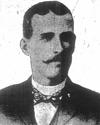
In the winter of 1909, Edward Lowry, a 42-year-old White male police officer in South Omaha, Nebraska, found his life cut tragically short. On the evening of February 19th, Lowry arrested a Greek immigrant named John Masourides. The arrest stemmed from an alleged inappropriate relationship between Masourides and a 17-year-old local girl to whom he had been giving English lessons.
As Officer Lowry was escorting Masourides to the police station, the situation took a fatal turn.
Near the corner of South 20th and N streets, Masourides produced a handgun and opened fire on the unsuspecting officer. Mortally wounded, Lowry would not survive the assault. The brazen act sent shockwaves through the community and ignited underlying tensions. In the wake of the shooting, newspapers ran inflammatory headlines that fueled anti-immigrant sentiment, particularly directed at the Greek population of South Omaha. This animosity would later boil over into a riot just days after Lowry's death, an event that saw a mob target the city's Greek Town, causing significant damage and displacing many of its residents.
The man responsible for Officer Lowry's death, John Masourides, was apprehended and put on trial. Initially, a jury found him guilty and sentenced him to death. However, the Nebraska Supreme Court later overturned this verdict, citing the pervasive bias in the city which they believed had denied him a fair trial. In a subsequent trial, Masourides was convicted of second-degree murder and received a 14-year prison sentence. His time behind bars was cut short when, after serving five and a half years, he was furloughed by the governor and ultimately deported from the United States. Edward Lowry, a five-year veteran of the South Omaha Police Department, was survived by his wife and four children.