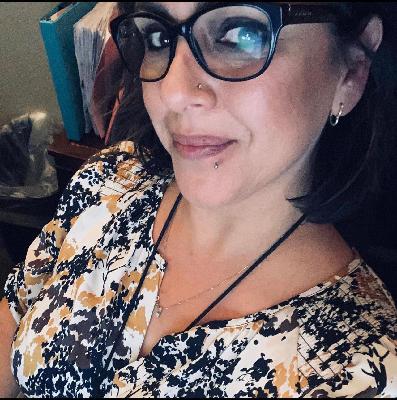
In the fall of 1931, a dark and tragic story unfolded in Phoenix, Arizona, culminating in the death of Sarah Hedvig “Sammy” Samuelson, a 24-year-old woman. The events that led to her untimely demise were a complex web of relationships and escalating tensions. Samuelson, who had moved to Phoenix for her health after being diagnosed with tuberculosis, shared a duplex with her friend, 32-year-old Agnes “Anne” LeRoi.
Their lives became entangled with Winnie Ruth Judd, a 26-year-old secretary, and a prominent local businessman named Jack Halloran.
On the evening of October 16, 1931, a heated argument broke out among the three women at the duplex they had once all shared. Neighbors later reported hearing loud and disturbing noises coming from the residence that night. The following day, both Samuelson and LeRoi were reported missing. The grim truth of their disappearance began to surface a few days later when Judd arrived at a Los Angeles train station with several trunks. The suspicious nature of her luggage, including a foul odor and leaking fluid, attracted the attention of railroad officials. When asked to open the trunks, Judd fled the scene.
Inside the trunks, authorities made a gruesome discovery. The body of Anne LeRoi was found whole in one, while the dismembered remains of Sarah Hedvig “Sammy” Samuelson were packed into others. Both women had been shot. Winnie Ruth Judd quickly became the primary suspect and was arrested. During her trial, she claimed to have shot both women in self-defense during a violent struggle. She was tried and convicted for the murder of Anne LeRoi but was never formally tried for the murder of Samuelson.
The case, which became known as the 'Trunk Murders,' left many questions unanswered. Judd's defense team argued she was not mentally competent, and she was eventually sent to the Arizona State Asylum for the Insane. Over the years, Judd offered varying accounts of the events, at one point implicating Jack Halloran as an accomplice who helped her dispose of the bodies and dismember Samuelson. A grand jury did indict Halloran as an accomplice years later, but he was never convicted. The full story of what transpired on that fatal October night, and the exact roles of everyone involved, remain subjects of speculation and debate.