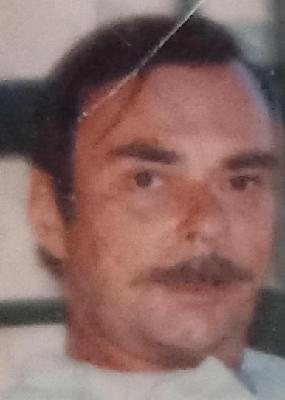
On November 3, 1982, Gregory West, a 23-year-old Caucasian male, was working behind the counter at the Moon Valley Coin Shop in north Phoenix, Arizona, when what began as a routine workday turned into a fatal robbery. West was assisting customers alongside coworker Susan McCullough when an older man entered the store and engaged him in what appeared to be a normal conversation about buying silver and gold.
After a brief discussion, the man abruptly shifted from customer to assailant, pulling out a revolver and announcing, “I’ll take it all,” turning the quiet coin shop into the scene of a deadly crime.
The gunman was later identified as 67-year-old Viva Leroy Nash, an escaped inmate from Utah who had a long history of violent crime. Nash pointed a. 357 Colt Trooper revolver at West and fired as West sat behind the counter. Struck and falling, West attempted to defend himself by reaching for a. 38-caliber snub-nosed revolver he kept hidden behind the counter and managed to fire a shot, but he missed. Nash, undeterred, fired multiple times at close range, striking West three times. Despite West’s effort to fight back, his wounds were fatal, and he collapsed inside the shop as McCullough, who was also threatened at gunpoint, miraculously escaped physical harm.
After shooting West, Nash turned his attention fully to the robbery. He demanded money and valuables, grabbing approximately $600 in cash and coins before fleeing the store. As he left, the danger spread beyond the shop’s interior. Outside, Nash was confronted by Jack Owens, a nearby businessman who had heard the commotion and came armed with his own pistol to intervene. A violent struggle ensued on the sidewalk; during the fight, Owens was shot in the hand with his own weapon. The confrontation, however, slowed Nash’s escape and drew rapid police response, preventing him from disappearing into the city after the killing.
Responding officers arrived as Nash and Owens struggled. Nash was taken into custody at the scene, and investigators quickly tied him to a broader pattern of crimes. A stolen Ford van with its engine still running was found about sixty feet from the coin shop, bearing Nash’s fingerprint on the door handle; the. 357 Colt Trooper he used to kill West had itself been stolen in an earlier robbery. Within days, on November 9, 1982, a Maricopa County grand jury indicted Nash on one count of first-degree murder, two counts of armed robbery, two counts of aggravated assault, and one count of theft of property valued at more than $1,000, all stemming from the killing of West and the associated crimes that day.
Rather than going through a full jury trial with live witnesses, Nash agreed—on advice of counsel—to submit the case to a judge primarily on the basis of grand jury testimony, and he was found guilty on all counts in 1983. At sentencing, the court identified several aggravating factors: Nash’s lengthy history of prior violent felonies, the grave risk of death he created for McCullough and others present, and the fact that the murder was committed for pecuniary gain. He was sentenced to death for the murder of Gregory West, along with lengthy prison terms for the related offenses. Appellate courts, including the Arizona Supreme Court, later upheld both his conviction and his death sentence, and federal courts rejected multiple petitions for post-conviction relief.
Nash’s background further underscored the senselessness of West’s death. At the time of the coin shop killing, Nash had recently escaped from the Utah State Prison, where he had been serving two consecutive life sentences for murder and robbery, including the earlier killing of a postal worker. Decades after the Phoenix homicide, Nash remained on Arizona’s death row and became known as one of the oldest inmates awaiting execution in the United States. He ultimately died of natural causes in 2010 at the age of 94, having never been executed. For Gregory West, however, the violent events inside that small Phoenix coin shop on November 3, 1982, ended his life instantly, leaving the legal system to wrestle with Nash’s punishment long after the crime itself had been solved.