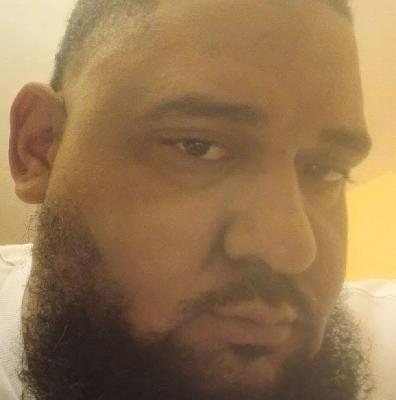
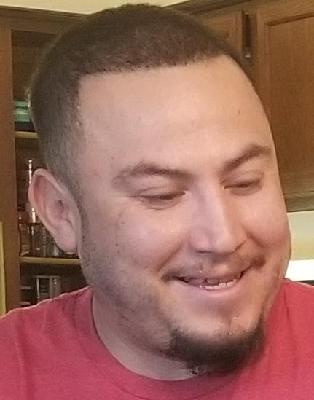
On June 12, 2003, 19-year-old Francisco Aguilar, a Hispanic/Latino male from Tucson, went along with an acquaintance, Johnathon Summey-Montaño, to what seemed like a casual gathering of young people getting high at a friend's house on the south side of the city. Inside, twenty-one-year-old Cody James Martinez, fifteen-year-old Michael Lopez, and several other adolescents were already smoking marijuana when Summey-Montaño arrived with Francisco.
After Francisco was asked to run a simple errand to buy rolling papers, Summey-Montaño used the time to tell Martinez that Francisco was a “baller,” someone who carried cash and valuables, and suggested they rob him when he came back. Martinez agreed to the plan, and a night that had started like an aimless hangout began to turn into an ambush.
When Francisco returned to the house, Martinez first drew him into conversation as if nothing were wrong and then suddenly smashed his fist into Francisco's face. Martinez and Summey-Montaño set upon him, punching and kicking him while some of the others drifted outside. They hurled accusations at him, calling him a child molester and invoking a story that he had allegedly drugged and raped Summey-Montaño's eleven-year-old cousin, a claim that would later surface in appellate filings but was never a defense to what followed. Martinez ordered young Michael Lopez to join the beating, threatening to kill him if he refused. Francisco was struck repeatedly, including blows with a shotgun, and eventually bound so he could not fight back.
Still restrained, Francisco was forced into the trunk of a car. Martinez and the others drove him to the apartment Francisco shared with a woman named Fritzie Gonzalez. While he lay locked in the trunk outside, his home was ransacked. Later testimony described the apartment as “turned upside down,” with liquor and beer gone, a computer printer missing, and jewelry boxes emptied. Gonzalez would identify women's jewelry recovered from Martinez as pieces that had belonged to her, including a bracelet she had once given Francisco, tying the robbery at the apartment directly to the group that had abducted him. What had begun as a supposed robbery of a “baller” had already become a kidnapping threaded with humiliation and looting.
When the group tried to leave after the break-in, Martinez could not get the car to start. With Francisco still locked in the trunk, they pushed the vehicle to a nearby gas station, bought fuel, and tried again. The engine still refused to turn over, so they pushed the car to a nearby pay phone and sat there with Francisco trapped inside. Some time later an acquaintance stopped by, and Martinez showed him a bag of methamphetamine he was carrying. Using Francisco's own mobile phone, the acquaintance called another friend, Fernando Bedoy, who arrived in a Ford Explorer. With Bedoy's SUV they shoved the disabled car onto a side street, but it remained dead. At that point, Summey-Montaño and Martinez opened the trunk and forced Francisco into the cargo area of the Explorer, throwing a blanket over him. Martinez jabbed him with the shotgun barrel whenever he did not crawl fast enough.
Martinez, Bedoy, Lopez, and Summey-Montaño climbed into the Explorer and left the rest of the group behind. Bedoy took the wheel. As they drove, Martinez and Summey-Montaño discussed what to do next, and Martinez directed Bedoy away from the city and out toward desert land near Tucson International Airport. He announced to the others that he intended to kill Francisco and that he would also kill anyone who tried to stop him, making clear that the crime had shifted irrevocably from robbery to planned execution. In the cargo space, Francisco was taunted and abused; Summey-Montaño stabbed his hand with a knife and struck him with a compact disc he bragged about having stolen from him, mocking him by asking his favorite track as the vehicle bounced through the darkness.
At a remote stretch of desert, the Explorer finally stopped. Summey-Montaño dragged Francisco out of the vehicle. On the sand beside the truck they began kicking him, dragging him around until he was making what one witness later described as only “noises of pain, moaning and groaning.” Martinez, Summey-Montaño, and Lopez all stomped and kicked him while he begged for his life. Martinez eventually forced Francisco, at shotgun point, to march farther out into the desert and lie face-down on the ground. Standing over him, Martinez fired a shot that went just over Francisco's head and laughed about having missed. As he reloaded, Summey-Montaño beat Francisco with a tire iron and stabbed him in the abdomen. Martinez fired again, this time striking Francisco in the collarbone area but not killing him. When Summey-Montaño refused Martinez's order to “finish him off,” Martinez fired a third time, hitting Francisco in the neck and ending his life.
The group was not finished with its attempt to erase what they had done. Martinez and Summey-Montaño instructed Lopez and Bedoy to brush away the footprints they had left in the sand around Francisco's body. Trash and debris were piled over the corpse, and Martinez set the heap ablaze before they all climbed back into the Explorer and drove away from the shallow flicker of fire in the desert. The body of the young man they had robbed, beaten, and shot was left under burning refuse a short distance from the runways and hangars of Tucson's airport.
Their escape lasted only minutes. A Tucson Airport Authority police officer on patrol saw smoke rising in the distance and noticed the Explorer coming from that direction. Suspicious, he initiated a traffic stop. As the patrol car and the Explorer passed each other, Martinez hurriedly hid cocaine and methamphetamine inside the vehicle. He told his companions to tell any officers who asked that they had been at “Cisco's barbecue,” a lie he also gave to the officer who pulled them over. While the young men were being detained roadside, Tucson firefighters responded to the blaze in the desert and discovered a human body amid the flaming debris. Once word reached the officer at the traffic stop that a body had been found near the smoke he had seen, the detention swiftly became an arrest. A search of Martinez uncovered marijuana and jewelry, some pieces later identified as having belonged to Francisco and Gonzalez, while the Explorer itself yielded more liquor, drugs, and the shotgun used in the killing.
As detectives reconstructed the night, a grim picture came into focus: a planned robbery fueled by the belief that Francisco carried money and jewelry, mixed with a narrative that he had committed a sexual assault, all culminating in a prolonged kidnapping, home invasion, torture, and execution. Court records describe how Summey-Montaño pitched the idea of robbing Francisco because he supposedly had valuables, calling him a “baller,” and how Martinez later tried to frame his actions as retaliatory justice based on the story about the cousin. The Arizona Supreme Court, however, emphasized that the group stole property, targeted Francisco for his perceived wealth, and that the killing was carried out in an especially cruel manner, supporting a finding that pecuniary gain was a central motive rather than an afterthought.
The legal aftermath unfolded over years. Martinez was quickly indicted for Francisco's killing and charged with premeditated first-degree murder, felony murder, and kidnapping. In the fall of 2005, a Pima County jury convicted him on all counts. At the aggravation phase of the capital trial, jurors found that he had murdered for pecuniary gain and that the killing was “especially cruel, heinous and depraved,” based on the drawn-out beating, the taunting and pleading in the desert, and the final execution-style shots. The jury imposed a death sentence for the murder and a consecutive prison term for the kidnapping. The Arizona Supreme Court affirmed his convictions and sentence on direct appeal, and subsequent habeas corpus challenges in federal court have left him on Arizona's death row more than two decades after Francisco's death.
Summey-Montaño, whose role was central in luring Francisco to the house, helping orchestrate the robbery, participating in the beating, stabbing Francisco during the ride, and dragging him out at the desert, ultimately pleaded guilty and agreed to testify against Martinez. In exchange he received a life sentence rather than facing the possibility of death himself, and correctional-system records list him as a first-degree murder offender admitted to state prison in May 2005.
Bedoy, the young man who answered the call for help at the gas station and drove the Explorer out to the desert, was also held accountable. A later Arizona Daily Star article, preserved in archival form and linked by case-summary sites discussing Francisco's murder, reports that a twenty-one-year-old Tucson man named Fernando Bedoy received an eight-year prison sentence for the kidnapping and slaying of a nineteen-year-old man, a description matching the circumstances and timing of this case.
Michael Lopez, only fifteen at the time and pulled into the violence under threats from Martinez, was also implicated. Sources that summarize the case note that he was involved in the assault and present for the desert attack, participating under duress as the older men escalated the violence beyond anything a teenager could easily escape. His presence at every stage, from the house to the last moments in the desert, meant that he, too, faced prosecution in the wake of the crime, though as a juvenile his proceedings followed a different track from those of Martinez and Summey-Montaño.
By the time the courts were finished, every principal figure in Francisco Aguilar's abduction and killing had been arrested and sentenced, with Martinez condemned to die, Summey-Montaño consigned to life behind bars, Bedoy serving years in prison, and Lopez marked by a case that began as a plan to rob a perceived “baller” and ended in a brutal murder in the desert outside Tucson. The quick stop by an airport-area patrol officer and the discovery of Francisco's burning body ensured that this crime did not fade into anonymity, but instead left a detailed trail in court records that tells, step by painful step, how one young man's ordinary June day in Tucson turned into his last.