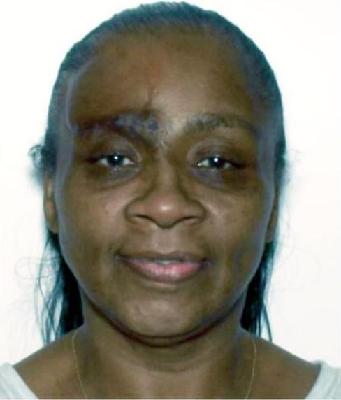
Carol Horne, a 52-year-old White/Caucasian woman, was killed in Augusta, Georgia, on November 27, 2024, when violence erupted inside the Mystic Lane home she shared with her husband, William Horne. In the dark hours before Thanksgiving morning, Richmond County deputies were called to the residence after a report of gunfire. When they arrived, they found Carol and William both shot inside the house.
The coroner later confirmed that both were pronounced dead at the scene at 3:20 a.m., leaving behind a case that immediately shook the community because it was not a stranger attack, but a killing that investigators said came from within the family.
Authorities moved quickly that morning. Tony Brooks Horne, William Horne's brother, was arrested at the scene and identified as the suspect in the double homicide. Early reports said he was taken into custody right there at the home and booked into the Charles B. Webster Detention Center. The charges against him were sweeping and severe, reflecting the weight of what prosecutors believed had happened inside the house: two counts of malice murder, two counts of felony murder, and two firearm counts tied to the killings. In the beginning, public reporting did not offer a clear motive, which made the case feel even colder and more unsettling, a deadly fracture in a family with no immediate public explanation.
As the case moved through Richmond County Superior Court, the prosecution's version of events held. Tony Brooks Horne went to trial, and after proceedings that began on a Monday, the jury returned its verdict two days later. He was found guilty on all charges in the deaths of Carol and William Horne. What had started as a shocking early-morning arrest then became a fully adjudicated murder case, with the jury accepting the state's case in full rather than leaving any part of it unresolved.
The punishment that followed was final and crushing. Tony Brooks Horne, then reported as 47 years old, was sentenced to two consecutive life sentences without the possibility of parole for the murders, along with an additional 10 years to be served consecutively for the firearm convictions. That sentence closed the question of whether there would be accountability, but it did not soften the brutality of the loss. Carol Horne's death was not only part of a double homicide; it became part of a case that ended with conviction on every count and a sentence ensuring the man found responsible would spend the rest of his life in prison.