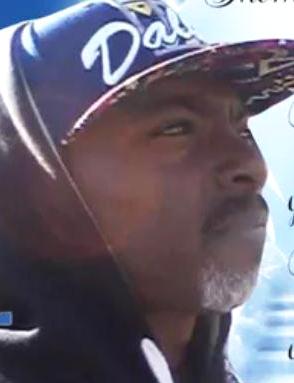
Kevin Shea Grauer was 55, a white man, and he died in Memphis, Tennessee, on February 18, 2023, after being shot near the 1700 block of Lockett Place in Midtown. Not far from neighborhood bars and the late-night hum of Cooper-Young, the night turned sudden and violent around midnight. When Memphis police arrived in the early minutes of the morning, they found him unresponsive at 1703 Lockett Place with a gunshot wound, and he was pronounced dead at the scene.
In the days that followed,
the picture that emerged was not just of a homicide scene, but of a man deeply woven into the city’s social fabric. Grauer was known around Midtown as “Shea,” a longtime bartender and restaurant manager who had spent years at The Beauty Shop, where coworkers and regulars described him as the kind of person who made strangers feel like friends. The grief rolled outward through the places he’d helped give their warmth: tributes appeared, stories poured in, and the shock felt amplified by the sense that he’d been taken in the very neighborhoods where he had built community.
As investigators worked the case, police publicly asked for help identifying a person of interest captured on surveillance footage from the area. The individual was described as wearing a baseball cap and a dark hoodie pulled up over the head, along with light-colored pants and light shoes. The message from law enforcement was blunt: they needed someone to recognize the figure and come forward, and they routed tips through Crime Stoppers and the homicide bureau. At the time those updates were released, police said no arrest had been made and the investigation remained open.
What the public record does show is a case left suspended between mourning and waiting: a killing with a narrow window of time, a small patch of street near Belvedere and Lockett, and an unidentified figure walking through the frame of a camera. Publicly available reports reviewed here do not describe an arrest, named suspect, charges, trial, or conviction tied to Grauer’s death; instead, they emphasize that police were still seeking information and that the person in the footage was someone they wanted to identify and locate.
Away from the investigative details, friends and family remembered the last ordinary moments that now feel heavy with meaning—him working, laughing, showing up for people, doing his job with pride, and moving through Midtown like someone who belonged to it. He was mourned not only as a victim of a late-night shooting, but as a husband, father, and friend whose absence left familiar rooms feeling suddenly different, as if the city had lost one of the people who made it feel like home.